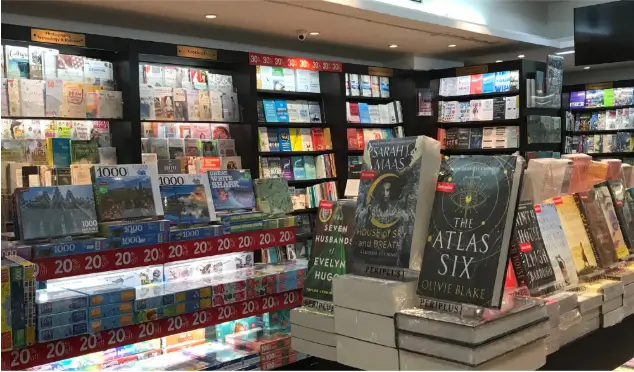
For many authors, seeing their book on the shelves of a neighborhood bookstore is a defining moment in their publishing journey. Uploading a manuscript and listing it online is one thing. Walking into a brick-and-mortar bookstore and spotting your title alongside books from major publishers is another.
Traditional bookstores are still among the most important channels for self-published book distribution, giving authors visibility, credibility, and the opportunity to connect with readers in their communities.
Understanding how bookstores work, how they select titles, and what drives their purchasing decisions is the foundation of successful bookstore distribution.
What Does It Take to Get a Self-Published Book Into a Bookstore?
Getting your self-published book onto bookstore shelves typically comes down to five things: professional production that meets the same standards as traditionally published titles, accurate metadata that allows stores to find and order your book, retailer-friendly distribution through a wholesale network like Ingram, a compelling pitch that addresses the store buyer’s specific needs, and evidence that readers will come looking for your book. Each of these steps matters, and skipping any one of them makes the others harder to execute.
Step 1: Prepare a Professional, Bookstore-Ready Product
For a bookstore to consider your title, it needs to meet the same production standards as traditionally published books. Bookstores prioritize titles with polished cover design, clean interior formatting, and print quality that holds up next to the other titles on their shelves. Poor design or print quality can end the conversation before it starts.
Metadata is equally important. Bookstores rely on metadata to find, order, and catalog titles. Essential book metadata includes:
- ISBN (International Standard Book Number): A required identifier for every format of your book. Paperback, hardcover, and digital editions each need their own ISBN.
- BISAC codes: Industry-standard book categories that help retailers classify your book by genre, subject, or audience.
- Technical details: Page count, trim size, publication date, language, and format specifications.
For authors working with self-publishing partners like Page Publishing, many of these production and metadata requirements are coordinated during the publishing process. For a broader look at what the full publishing process covers, see our guide on how much it costs to publish with Page Publishing.
Bookstore-Ready Checklist
- Professionally edited manuscript
- Retail-quality cover design
- Properly formatted interior files
- Unique ISBN for each format
- BISAC codes assigned
- Final trim size and page count confirmed
- Distributor listing completed
- Retail pricing established
Step 2: Choose the Right Distribution Channels and Terms
Bookstores rarely order titles directly from self-published authors. They rely on wholesale catalogs available through established distribution platforms. Wholesale partners bridge the gap between authors and bookstores, allowing stores to purchase stock at a reduced price and sell it for a profit. A typical wholesale discount is 40 to 55 percent off the book’s list price.
Print-on-demand (POD) distribution is the most practical starting point for most self-published authors. POD allows books to be printed only when ordered, avoiding upfront print runs and storage costs. Authors receive a percentage of each sale after printing and distribution fees. For a detailed breakdown of how POD distribution costs compare across platforms, see our guide on how to compare publishing distribution fees and maximize your royalties.
Choosing a distributor that allows returns is also important. Many bookstores require the ability to return unsold stock, which reduces their risk. IngramSpark is the most widely used distribution partner for self-published authors seeking bookstore placement, with a network that reaches over 40,000 retailers, libraries, and institutions worldwide.
| Term | Standard Expectation | Why It Matters |
|---|---|---|
| Wholesale Discount | 40-55% off retail price | Allows bookstores to earn a profit on books sold |
| Returnable Books | Often required | Reduces financial risk for retailers |
| Print-on-Demand | Highly recommended | Eliminates upfront costs for authors |
| ISBN Ownership | Author-owned preferred | Ensures consistency across platforms and clear ownership rights |
If you plan to use multiple distributors, purchase your own ISBN directly from Bowker before you publish anywhere. A Bowker-purchased ISBN can be used consistently across Amazon KDP, IngramSpark, Barnes & Noble Press, and any other platform you distribute through, keeping your book’s identity unified across the retail ecosystem.
Amazon offers a free ISBN through KDP, but that ISBN is tied to Amazon’s platform and cannot be used outside of it. Some authors work around this by using the free KDP ISBN on Amazon and purchasing a separate Bowker ISBN for IngramSpark and other retailers. That approach works technically, but it means your book has two different ISBNs in circulation, which can create confusion for retailers, libraries, and booksellers trying to order or catalog your title. Starting with a single author-owned ISBN from Bowker avoids that problem entirely and gives you a cleaner, more professional publishing footprint from the start.
For a full checklist of retail and distribution channels worth targeting, see our self-publishing distribution checklist.
Step 3: Build Relationships and Pitch Your Book
Listing your book with a qualified distributor is not enough to get it on the shelf. As a self-published author, you are your own sales representative. It is up to you to pitch your book to individual bookstores.
Start by becoming familiar with the stores you hope to work with. Visit often, shop there, and observe their customers, inventory, and event calendar. The better you understand a bookstore’s audience, the stronger your pitch will be.
When you are ready to pitch, identify the store’s book buyer specifically. The buyer is often different from the general manager, and some stores have separate buyers for children’s versus adult titles or fiction versus nonfiction. Contact the store to request an in-person appointment with the buyer.
What to Bring to Your Pitch
- A professionally printed physical review copy of your book
- A sell sheet
- A one-page marketing plan for the book
A sell sheet is a one-page sales document that includes your cover art, book description, ISBN, retail price, wholesale price, ordering information, return policies, and contact information. Leave a review copy behind after the meeting and send a polite, timely follow-up. Most buyers need two to four weeks to review materials and make a decision.
Bookstore Pitch Process
- Research stores that fit your genre and audience
- Identify the correct buyer
- Schedule an in-person appointment
- Deliver your pitch materials
- Leave a review copy
- Follow up professionally within two weeks
- Track responses and next steps
Some bookstores may ask you to sell books on consignment rather than through a wholesale arrangement. Consignment means the store only pays for copies that sell. A typical consignment split is 60 percent to the author and 40 percent to the store. The terms of the arrangement, including the timeframe and who is responsible for lost or damaged copies, should be put in writing before any stock is left with the store.
Step 4: Drive Local Demand and Support Your Book’s Sales
Many bookstores actively support local authors, but shelf space is limited. Before stocking your book, most stores want evidence that readers will come in asking for it. A marketing plan included in your pitch shows that you are investing in driving that demand, not just hoping the store does the work for you.
Local demand refers to demonstrated interest in your book within a geographic area, niche audience, or community. Ways to generate and show demand include:
- Schedule and promote local signings, readings, and community appearances
- Secure early reviews from readers, bloggers, or local media
- Highlight strong online sales or library placements as proof of reader interest
- Use social media, newsletters, and local press outreach to build visibility
- Build partnerships with community organizations, schools, and local events
Front-of-store displays and endcaps are typically reserved for major publishers or bestsellers. As a self-published author, your goal is to drive readers directly to your book’s location on the shelf, not to compete for premium placement. For more on how to build book publicity and local visibility, see our guide on best book publicity strategies for self-published authors.
Marketing Asset Checklist
- Author website
- Social media profiles
- Press kit with book description, cover image, author bio, review blurbs, and metadata
- Event calendar
- Email newsletter
- Reviews and testimonials
- Local media contacts
- Community partnerships
Step 5: Understand Consignment and Wholesale Options
Not every bookstore operates under the same business arrangements. Understanding how consignment and wholesale work helps you approach stores with realistic expectations.
| Factor | Consignment | Wholesale |
|---|---|---|
| Payment Timing | After books sell | Upfront through distributor |
| Administrative Effort | Higher; author manages inventory and invoicing | Lower; distributor handles payments and inventory |
| Shelf Placement | Often local or event-based | Broader distribution potential |
| Inventory Risk | Higher risk for authors | Higher risk for retailers |
| Accessibility for New Authors | High | Moderate |
Under consignment, the bookstore displays and sells books provided by the author and pays only for copies sold. Unsold books may be returned after a set period. The typical split is 60 percent to the author and 40 percent to the store. Authors are generally responsible for managing inventory, invoicing, and promotion.
Under wholesale terms, bookstores order books through a distributor at an agreed discount. The author receives royalties on the order. While returns may be allowed, the bookstore assumes greater sales responsibility. Many independent stores prefer consignment or event-based stocking for first-time authors, making consignment a more accessible entry point for new titles.
Managing Expectations and Staying Persistent
Getting your book into bookstores as a self-published author is rewarding but competitive and often slower than authors expect. Rejection is a normal part of the process, particularly for first-time authors. Consignment agreements can help build sales momentum, but they require authors to provide books upfront at their own cost.
Stores connected to your community, your subject matter, or your audience are far more likely to say yes than national retailers. Your local and regional bookstores are the right starting point, not the largest chains.
Successful bookstore placement typically happens gradually through consistent effort, strong relationships, and local marketing that builds credibility over time. Author-driven marketing, retailer-friendly terms, and professional follow-through can help you move from a single local bookstore to broader regional and eventually national distribution.
Signs Your Strategy Is Working
- Event attendance is growing
- Stores are requesting more copies
- Staff members are recommending your book to customers
- Readers are asking for your book by name
- Nearby stores are reaching out for ordering information
- Local media is requesting interviews
FAQ: Getting a Self-Published Book Into Bookstores
How do I create a sell sheet that appeals to bookstore buyers?
A strong sell sheet is clean, easy to scan, and covers the essentials: your book cover image, a brief book description, ISBN, retail price, BISAC codes, wholesale terms, ordering details, and your contact information. Keep it to one page. Buyers review many titles and appreciate materials that respect their time.
What are typical wholesale discount and returnability terms?
Brick-and-mortar bookstores typically expect a wholesale discount of 40 to 55 percent off retail price. Many also require returnable books so that unsold copies can be sent back for a refund, which reduces their financial risk. If your distributor does not support returns, some stores will decline to stock your title regardless of its quality.
How do I find and approach an independent bookstore buyer?
Call the store or check their website to identify who handles purchasing. The buyer is often different from the general manager. Request an in-person appointment to present your pitch materials in person. Arriving prepared with a review copy, a sell sheet, and a brief marketing plan gives your pitch the best chance of a favorable response.
Why is local marketing important for bookstore sales?
Bookstores want to see evidence that your readers will come to them looking for your book before they commit shelf space to an unfamiliar title. Local marketing builds that demand. An author who is actively promoting signings, engaging local media, and building community relationships gives a bookstore far more confidence in stocking their title than one who is simply asking for placement.
What are the advantages of using IngramSpark for bookstore distribution?
Most bookstores will not purchase titles directly from a self-published author. Using a distributor like IngramSpark ensures your book appears in the wholesale catalogs that bookstores rely on. It also supports professional print-on-demand fulfillment and makes ordering straightforward for retailers. IngramSpark’s network reaches over 40,000 retailers, libraries, and institutions worldwide, making it the most widely used distribution partner for self-published authors pursuing bookstore placement.
Getting Your Book to Bookstore Shelves
Bookstore distribution takes preparation, persistence, and a willingness to build relationships over time. The authors who succeed are the ones who treat each part of the process, from production quality to the pitch to the follow-up, with the same care they brought to writing the book.
At Page Publishing, print distribution through the Ingram Content Network is included in every publishing package, giving your book access to the wholesale infrastructure bookstores rely on from the day it goes live. Download our Free Writer’s Guide to learn more about what publishing with us looks like from manuscript to market.