
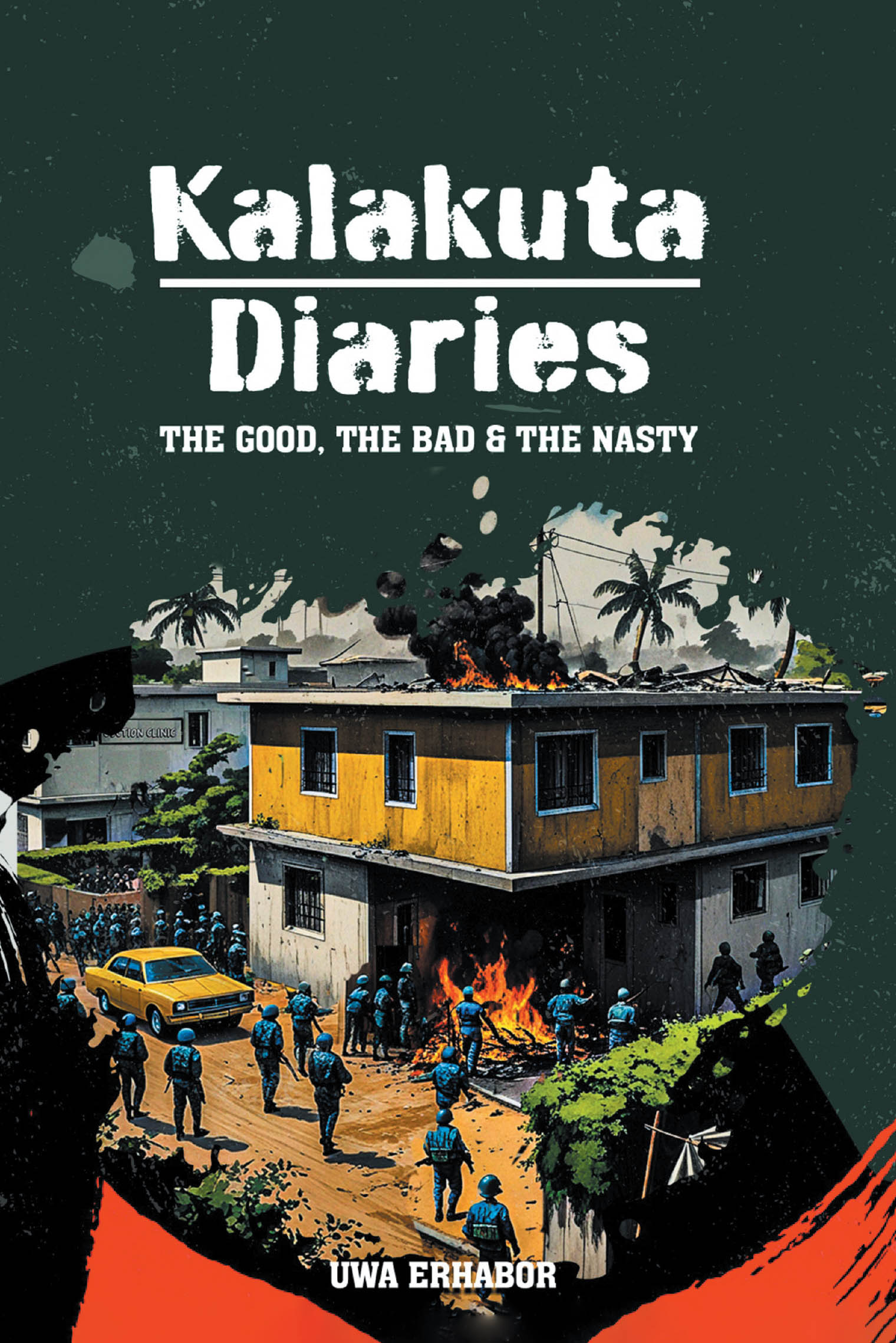
KALAKUTA DIARIES
Kalakuta Diary-the good, the bad, and the nasty-by Uwa Erhabor is at once a literary work, a political reflection, and a historical archive.Framed as an invitation to the backstage, the stage is Kalakuta Republic, and the actors are those who lived under the watch of Fela Anikulapo-Kuti.Through evocative language, Erhabor situates the reader as more than a passive observer, blurring the boundaries between memoir and narrative art. His shifting lens-sometimes panoramic, sometimes penetrating-gives the narrative a rhythm that mirrors the contradictions and energy of Kalakuta, balancing width with depth in both observation and storytelling.What sets the book apart is Erhabor's ethical commitment to portraying Kalakuta in its full complexity-"the good, the bad, and the nasty." By refusing to reduce the Republic to myth or just nostalgia, he captures its cultural weight while acknowledging its tensions, fights, and flaws. In doing so, the diary rises above documentation to become literary critique: an exploration of how art, memory, and performance are all lived and preserved.Thus, Kalakuta Diary claims a vital place and its own space in African cultural history and political landscape while also standing as a work of enduring literary art.-By Warie Porbeni Radio ZeaterClub-- Uwa Erhabor
Buy online now!





Some retailer links may be affiliate links.