How to Organize a Book Signing Event: A Step-by-Step Guide for Authors

How to Organize a Book Signing Event: A Step-by-Step Guide for Authors

A book signing gives you something that no social media post or podcast appearance can: a room full of people who showed up specifically to meet you. Done well, a signing builds real connections with readers, generates local press coverage, and moves books. Done poorly, it’s an awkward afternoon behind a folding table. The difference is almost entirely in the planning.

How Do You Organize a Book Signing Event?

Organizing a book signing comes down to six steps: prepare your pitch, reach out to venues early, confirm your book supply, plan your promotional materials, promote the event across every available channel, and show up on the day prepared and ready to engage. Each step requires lead time, so starting at least six to eight weeks before your target date gives you enough runway to do it properly.

Planning Your Book Signing: Step by Step

Step 1: Prepare Your Pitch

Before contacting any venue, know what you are asking for and why they should say yes. A good pitch for a book signing is short and specific. It covers who you are, what your book is about, who reads it, and why a signing at their location makes sense for their customers. Bookstores and libraries are more likely to respond well to authors who come across as prepared and professional, not as someone figuring it out as they go.

If you have an advance reader copy (ARC), offer to send one ahead of your inquiry. Giving the venue a chance to read the book before committing adds credibility and shows you take the event seriously.

Step 2: Reach Out to Venues Early

Venue calendars fill up faster than most authors expect. Reaching out six to eight weeks in advance is a reasonable minimum. For holiday seasons or busy periods, give yourself more time. Independent bookstores, local libraries, coffee shops, and community centers are all worth considering depending on your genre and audience.

When you contact a venue, be specific about what you need: a table, a time slot, and any signage or setup support. The less guesswork you leave them, the easier it is to get a yes.

Step 3: Confirm Your Book Supply

Once a date is locked in, confirm immediately whether the venue will order and sell copies of your book or whether you are responsible for bringing your own. Never assume the venue will have books available. If you need to supply your own copies, order them well in advance through your publisher’s author discount program to avoid any last-minute delays.

Also clarify how sales will be handled on the day. Will the venue process purchases through their register, or will you be collecting payment directly? Knowing this ahead of time prevents confusion at the event.

Step 4: Plan Your Promotional Materials

Promotional materials do not need to be expensive to be effective. Bookmarks are the most practical option because readers actually use them. Business cards, small prints of your cover, or a simple postcard with your book details and website are all worth considering. If you have a QR code linking to your author page or a purchase link, including it on any printed materials makes it easy for people to find you after the event.

If the Launch+ Package is part of your publishing agreement, your 100 custom bookmarks with QR codes are already included and ready to use at exactly this kind of event.

Step 5: Promote the Event

Getting people to show up is its own project. Start promoting as soon as the event is confirmed, not the week before. A multi-channel approach works best:

  • Post about the event on your social media accounts with the date, time, location, and a clear call to action
  • Ask the venue to promote it through their own channels, website, and newsletter
  • Send a press release to local newspapers, community blogs, and radio stations
  • Create a Facebook event and share it in local community groups relevant to your genre or location
  • Tell friends and family early and give them the details they need to spread the word

It also helps to give potential attendees a sense of what to expect at the event itself. Our guide on what to expect at a book signing as a reader is useful context for first-time attendees and worth sharing in your promotional posts. For broader publicity strategies, see our guide on best book publicity strategies for self-published authors.

What Should You Bring to a Book Signing?

Arrive early enough to set up without rushing and to handle any last-minute issues before the first attendee walks in. Here is what to bring:

Table Setup

  • A tablecloth if the venue does not provide one
  • A small sign or display with your book title and author name, visible from a distance
  • A sign explaining payment options if you are handling sales yourself
  • A phone or card reader if you plan to accept card payments
  • Cash and change if cash sales are an option

Display and Signing Items

  • Enough copies of your book to cover expected attendance, with a few extras
  • Several high-quality pens that write smoothly on book pages
  • Business cards or bookmarks with your contact information and website
  • A newsletter sign-up sheet or tablet so interested readers can stay connected
  • Any additional promotional materials you have prepared

Your Attitude

This sounds obvious, but it matters more than anything else on the list. Readers who come to a signing are making an effort to be there. Greet them warmly, make eye contact, ask about what drew them to your book, and treat every conversation as the connection it actually is. If you are naturally introverted, that is fine. You do not need to perform extroversion. You just need to be present and genuine.

Practicing your author signature ahead of time is worth doing if you have not already. Writing your name in books dozens of times in a single afternoon is different from signing a check, and an awkward or messy signature on a personalized copy can feel like a letdown for the reader who has been looking forward to it.

What Should You Do After a Book Signing?

The event is not over when you pack up the table. A few follow-up steps help you build on what you just created:

  • Email or message anyone who signed up for your newsletter within a day or two, while the event is still fresh
  • Post photos from the event on social media and thank the venue publicly
  • Send a thank-you note to the venue, which makes it easier to be welcomed back
  • Note what worked and what you would do differently, especially if this is your first event

For more on building your presence as an author after your book is out, see our guide on how to get book reviews and exposure after publishing and our overview of optimizing book sales in day-to-day life.


FAQ: Book Signing Events for Authors

How far in advance should I contact a venue?

Six to eight weeks is a reasonable minimum for most venues. Busy periods like the holiday season or local literary events may require more lead time. The earlier you reach out, the more flexibility you have in choosing your date.

What if the venue does not carry my book?

This is common, particularly with self-published titles. You have two options: arrange for the venue to order copies through a distributor like Ingram in advance, or bring your own copies and handle sales yourself. Confirm the approach with the venue before the event so both sides know what to expect.

How many copies should I bring?

A good rule of thumb is to estimate your expected attendance and add 20 to 30 percent on top of that. Running out of books at a signing is a missed opportunity. Running out of attendees with books left over is just part of the process. Order through your publisher’s author discount program to keep costs reasonable.

Do I need to give a reading or speech?

Not necessarily. Some book signings are purely meet-and-greet style, while others include a short reading or Q&A before the signing begins. Check with the venue about their expectations and the format they prefer. If a reading is on the table, prepare a passage of two to five minutes that gives a strong sense of the book’s tone without giving too much away.


How do I handle it if very few people show up?

It happens, especially for a first event. Treat whoever does show up with the same energy you would bring to a packed room. A handful of readers who have a genuinely good experience will tell people about it. Use the quieter moments to talk with venue staff, who are readers too. And use what you learned to promote your next event more effectively.

Can I do a book signing if my book is only available as an eBook?

A traditional book signing requires physical copies to sign, so a print edition is generally needed. If your book is only available digitally, consider hosting a virtual author event instead, where readers can join via video conference for a reading and Q&A. That format has grown significantly and can reach a wider audience than a single in-person event.

Making the Most of Your Book Signing

A well-planned book signing is one of the few moments in an author’s career where the distance between you and your reader disappears entirely. The planning is worth the effort. The follow-through is worth the time. And for most authors, the first one is the hardest, because the second one benefits from everything you learned.

At Page Publishing, we support authors at every stage after publication, from distribution and marketing tools to guidance on building an author presence in your community. Download our Free Writer’s Guide to learn more about what publishing with us looks like from start to finish.


Memoirs That Read Like Novels and Novels That Feel Real

Memoirs That Read Like Novels and Novels That Feel Real

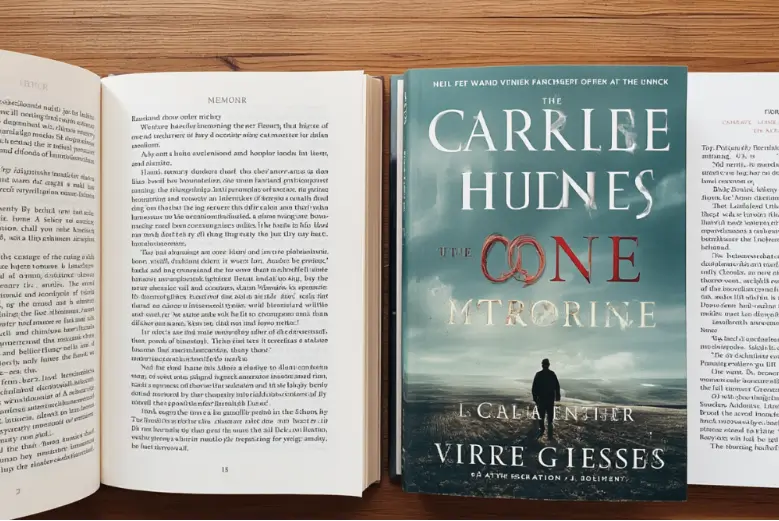
Two open books side by side on a wooden table, one appearing to be a personal memoir and the other a novel, representing the blurred line between fiction and lived experience in modern storytelling

There is a particular kind of book that stops you mid-sentence and makes you wonder whether what you are reading actually happened. The details are too specific, the emotions too precisely observed, the characters too contradictory and human to feel invented. And then there are memoirs that pull you forward with the momentum of a thriller, structured around tension and revelation rather than a straightforward account of a life. 

These two experiences are not accidental. They reflect a deliberate and growing shift in how authors approach the space between fact and fiction. 

The boundary between memoir and novel has always been more negotiable than publishers’ category labels suggest. Today, the most compelling work in both forms is finding its power precisely because of that flexibility.

What Is a Memoir, and What Has It Become?

A memoir is a nonfiction narrative in which the author reflects on a period or theme from their own life, written from personal memory and experience. Unlike an autobiography, which typically covers a full life from beginning to end, a memoir tends to focus on a specific chapter, relationship, or emotional journey. It is the author’s attempt to make meaning from something they lived through.

The memoir as a form used to be fairly predictable in structure. A life, told in order, from formative years forward. What contemporary memoir writers have discovered is that chronology is often the enemy of emotional truth.

A memoir that opens with a pivotal scene, dropping the reader into a moment of crisis or clarity before any context is established, creates immediate investment. The reader wants to understand how the narrator arrived at that moment, which is a far more compelling engine than simply moving forward in time.

Beyond structure, the best modern memoirs use the full toolkit of fiction: scenes rendered with sensory detail, dialogue that captures not just what was said but how it felt to hear it, and real people written with the kind of complexity we expect from invented characters. These techniques do not compromise the truth of the story. They make it more accessible and more affecting.

The goal of memoir, at its core, is not to document a life. It is to make a reader feel what it was like to live it. If you are in the early stages of shaping personal experience into a manuscript, our guide on turning personal experiences into story gold covers how to identify which parts of your experience carry the most narrative weight.

What Is Literary Fiction, and Why Does It Feel So True?

Literary fiction is a category of imaginative writing that prioritizes character depth, emotional complexity, and thematic meaning over plot-driven entertainment. Where commercial fiction often focuses on what happens next, literary fiction tends to focus on what it all means and how it changes the people at the center of the story. It is the branch of novel writing most concerned with the inner life. For a broader look at how fiction categories work and what readers expect from each, see our complete guide to book genres.

On the other side of this conversation is fiction that earns the kind of trust readers normally reserve for personal testimony. These novels are not necessarily autobiographical. They may be entirely invented. But they are grounded in something that feels undeniably real: the way grief arrives in waves rather than stages, the way ambition and self-doubt occupy the same thought, the way people in long relationships talk around the things that matter most.

This kind of fiction avoids the shortcuts that make a story feel constructed. Characters do not change because the plot requires them to. Settings are not atmospheric backdrops but lived-in places with texture and history. Difficult emotions are handled with restraint rather than dramatized for effect.

When a novel gets this right, it does something memoir cannot always do. It gives readers permission to see their own experience in a story that is not literally theirs. The invented scenario becomes a container for real feeling, and that is a profound thing for a book to offer.

What Is Autofiction, and Why Are So Many Authors Drawn to It?

Autofiction is a hybrid form that sits deliberately between memoir and novel. It uses the author’s real name, real experiences, or real relationships as raw material but shapes that material through fictional techniques, invented dialogue, compressed timelines, and imagined scenes, without claiming to be a factual account. It is neither pure memoir nor pure fiction. It is a form that treats lived experience as a starting point rather than a constraint.

The reason this middle ground has grown so fertile is that it reflects something honest about how human beings actually process experience. We do not live life as a clean narrative with a clear beginning and a satisfying resolution. We remember in fragments. We revise our understanding of events as we gain distance from them. We tell stories about our own lives that are part fact, part interpretation, and part reconstruction shaped by what we need to believe.

Writing that acknowledges this complexity, whether it is labeled memoir, autofiction, literary fiction, or something else entirely, tends to resonate more deeply than writing that pretends experience is tidier than it is. Readers recognize the mess. They appreciate being met there.

This space also gives authors room to explore subjectivity in ways that purely factual writing cannot. Memory is not a recording. It is an argument. And stories built on that understanding carry a different kind of authority than ones that simply report what happened. Page Publishing works with authors writing in all of these forms, including work that resists easy categorization. If your manuscript lives between labels, that is not a problem to solve before you submit. It is part of what makes it worth reading.

What Is Psychological Realism, and How Do You Write It?

Psychological realism is a writing approach that prioritizes the authentic inner lives of characters over dramatic external events. It asks authors to portray how people actually think and feel, including their contradictions, their blind spots, and their capacity for self-deception, rather than how characters conveniently behave to serve a plot. It is the quality that makes a fictional person feel like someone you might actually know.

If you are writing a memoir and want to bring novelistic energy to it, start by identifying the emotional core of your story before you think about structure or chronology. What is the central question your memoir is trying to answer? What changed, and why does it matter? Those answers will tell you where to start and where to end far more reliably than your birth year will.

If you are writing fiction that aims for the texture of real experience, pay close attention to interiority. What your characters think and feel in the unspoken moments between dialogue and action is where psychological realism lives. Resist the pull toward resolution and explanation. Real people rarely fully understand their own behavior, and neither should your characters.

If your work genuinely sits between categories, an author’s note explaining your intent is worth considering. Readers who know they are entering a fictionalized or reconstructed account adjust their expectations accordingly, and that transparency tends to deepen trust rather than undermine it.

One of the most useful things you can do at this stage is share your draft with a reader who does not know your story personally. Their response to what feels true versus what feels constructed is more reliable than your own. Our post on why skipping a beta reader is one of the worst writing mistakes covers how to find the right readers and how to use their feedback. Jane Friedman also covers the craft of memoir and literary fiction in depth and is worth consulting as you move into revision.

The conversation about how much to revise and when to stop is also worth having. Our post on why imperfect stories are resonating more than ever looks at this from a reader trend perspective and may offer useful perspective on where the line between polishing and over-working a manuscript actually falls.

The Stories That Stay With Us

The books that follow readers out of the room, that come to mind years later in unexpected moments, are rarely the ones that stayed safely inside genre boundaries. They are the ones that told a true thing, however they arrived at it.

Whether you are working on a memoir rooted in your own experience or a novel built entirely from imagination, the measure of the work is the same. Did you write something that feels real in the ways that matter? Did you tell the truth, even when the truth required invention to reach it?

If you have a manuscript that lives in this space and you are thinking about what publishing looks like, Page Publishing works with authors across every genre to bring their books to readers. You can also hear directly from authors who have already made that journey to get a sense of what the process looks like from the inside.

Your story deserves to reach the readers it was written for.


How to Compare Publishing Platform Distribution Costs

How to Compare Publishing Platform Distribution Costs

small cardboard boxes stacked next to a miniature piggy bank on a gray background

When you self-publish your book, you have full control over where and how it is sold. Some independent authors distribute through individual retailers, while others use an aggregator to expand their reach to booksellers, libraries, and global markets. With so much to consider, from royalty structures to platform fees to exclusivity requirements, comparing your options takes some groundwork.

This guide walks through a practical process for evaluating and comparing self-publishing distribution costs. It covers goal-setting, fee comparisons, real-world earnings scenarios, and the factors that go beyond the headline royalty rate.

How Do You Compare Self-Publishing Distribution Costs?

Comparing distribution costs across self-publishing platforms comes down to six steps: define your publishing goals, identify your platform options, gather detailed cost data using each platform’s royalty calculator, organize the data into a comparison spreadsheet, model earnings at different sales volumes, and weigh payment timing, exclusivity terms, and value-added features alongside the numbers. The platform with the highest advertised royalty rate is not always the one that puts the most money in your pocket once fees, print costs, and distribution cuts are accounted for.

For a deeper look at specific royalty figures across the major platforms, see our guide on how to compare publishing distribution fees and maximize your royalties.

Step 1: Define Your Publishing Goals and Priorities

Every author publishes for a different reason. Your distribution strategy should directly support that purpose, whether it is to maximize royalty income, reach a broad global audience, get into libraries, or build long-term readership.

Common publishing priorities include:

  • Maximizing royalty income per sale
  • Achieving broad distribution across retailers, wholesalers, and libraries worldwide
  • Reaching niche audiences through subscription platforms or library networks
  • Building long-term readership or author brand visibility

Defining your priorities before you start comparing platforms keeps the process focused. A first-time author prioritizing simplicity and reach will make different choices than an author with an established audience optimizing for per-unit earnings.

Step 2: Identify Your Platform Options

Self-publishing distribution channels fall into a few main categories:

  • Direct retailers such as Amazon KDP and Barnes & Noble Press, which connect your book directly to their marketplace
  • Distribution aggregators like IngramSpark, Draft2Digital, and PublishDrive, which distribute to multiple retailers and institutions through a single account
  • Library vendors such as OverDrive and its app Libby, which place ebooks and audiobooks in public library systems
  • Direct-to-reader channels like BookFunnel, which connect authors to readers outside traditional retail

Aggregators are popular with self-published authors because they allow a single upload to reach multiple retailers and library systems for both ebook and print. That convenience comes with tradeoffs: aggregators typically take a percentage of royalties or charge fees, and not all of them distribute to every retailer. Google Play Books, for example, is not included in all aggregator networks. Depending on your audience and genre, you may need to upload directly to certain platforms or find an aggregator that covers them.

Many authors combine direct uploads with aggregator distribution, using direct retailer accounts for their primary markets and an aggregator for broader reach. Some also sell directly through their own website, events, and personal bookseller relationships.

For a checklist of the retailers and platforms worth targeting, see our self-publishing distribution checklist.

Step 3: Gather Cost Data for Each Platform

With a shortlist of platforms in place, collect detailed cost data using each platform’s royalty calculator with your specific book details. This step should be systematic so comparisons are made on the same terms.

Royalty calculators by platform:

Beyond the royalty rate, gather information on the following fees for each platform:

  • Setup and activation fees
  • Subscription or recurring platform fees
  • Distribution or commission percentages
  • Print-on-demand production costs
  • File conversion fees
  • Payment timing and minimum thresholds

These costs layer together in ways that are not always obvious from a platform’s headline royalty rate. A retailer may take 30% of ebook sales, an aggregator may take an additional percentage or flat fee, and print distribution involves both wholesale discounts and production costs. A distribution fee is the percentage or flat amount a platform retains for facilitating a book’s sale through online retailers or other channels. These vary by platform and format.

Platform Royalties Distribution Fee Other Fees
Draft2Digital 45% of list price for print; typically 50–60% for ebooks after retailer cut and fees 10% of retail price $20 activation fee; $12 annual maintenance fee for accounts earning less than $100/year
PublishDrive 100% of net purchase (approx. 70% of list price after retailer cut) None Subscription model. Free for one book with limited reach. Paid plans from $16.99/month
IngramSpark Varies by author-set discount for print; 85% of net revenue for ebooks 1.875% of retail price for print No setup fees. Optional $0.60/page EPUB conversion fee

Step 4: Build a Comparison Spreadsheet

As you gather data, organize it into a spreadsheet. Comparing platforms side by side with your actual book details makes the differences in net earnings much easier to see.

Key columns to include:

  • Platform name
  • Book format (print, ebook, audiobook)
  • List price
  • Retailer cut (e.g., 30% for Amazon or Apple Books)
  • Platform or distribution fees
  • Print production cost (for print-on-demand books)
  • Net royalty per sale

For aggregator comparisons, list each retailer the aggregator distributes to separately. This lets you compare aggregator earnings against direct upload earnings on the same platform. Amazon KDP typically pays 70% royalties on ebooks sold directly. The same sale routed through Draft2Digital yields closer to 60% after all fees. That 10% difference adds up quickly at volume.

For a detailed worked example with real royalty figures across platforms, see our guide on how to compare publishing distribution fees and maximize your royalties.

Step 5: Model Sales Scenarios to Evaluate Net Earnings

Per-unit earnings only tell part of the story. To understand which platform offers the best value for your situation, model how royalties and fees scale at different sales volumes.

A sales scenario estimates potential earnings by projecting how royalties, fees, and costs change across different quantities sold. Using your comparison spreadsheet, calculate projected earnings at:

  • Low volume: 10 sales per month
  • Mid volume: 100 sales per month
  • High volume: 1,000 sales per month

Pay attention to conditional fees that only apply at certain revenue levels. Draft2Digital’s $12 annual maintenance fee, for example, only applies to accounts earning less than $100 per year. Subscription-based platforms like PublishDrive favor higher-volume authors where the monthly fee becomes a small percentage of total earnings. Percentage-based platforms like Draft2Digital are more predictable at lower sales levels where a fixed subscription would outweigh the commission.

Step 6: Factor In Payment Terms, Exclusivity, and Added Features

Cost and per-unit earnings are the starting point, but three additional factors can significantly affect the value of a platform over time.

Payment Timing

All platforms operate on delayed payment schedules, which affects cash flow. Key differences:

  • IngramSpark pays 90 days after the month in which sales are reported. For ebooks, the report calculates sales from two months prior, as retailers have 25 days after month-end to report sales.
  • Draft2Digital pays on the 15th of every month, typically 30 to 60 days after sales occur.
  • Amazon KDP pays 60 days after the month in which sales are reported. For Expanded Distribution, it is 90 days.

Exclusivity Requirements

Exclusivity restricts an author from distributing their book on other platforms while participating in a program. It can increase earnings on one platform while limiting total reach. Amazon’s KDP Select program is the most common example. Participating authors can list their ebooks on Kindle Unlimited and earn royalties based on pages read, but cannot list their ebook on any other platform during the enrollment period. Understanding exclusivity terms before you commit is worth the time, since changing distribution arrangements after publication takes effort and time to take effect.

Value-Added Features

Many platforms offer tools and services beyond basic distribution that can affect which one delivers the best overall value for your goals:

  • Marketing dashboards and promotional tools
  • Universal book links
  • Access to library distribution channels
  • Analytics and sales tracking
  • Publicity resources

Including these features in your evaluation helps you assess overall platform value, not just cost per sale. A platform with slightly lower royalties but stronger analytics and library access may deliver more long-term value depending on your goals.

For authors who want to avoid managing platform accounts, royalty calculators, and distribution logistics altogether, Page Publishing handles distribution through the Ingram Content Network as a standard part of every publishing package. Your book reaches bookstores, libraries, and major online retailers worldwide from day one, without you having to set up or manage multiple platform accounts. For a full breakdown of what that looks like, see our guide on how much it costs to publish with Page Publishing. 

FAQ: Publishing Platform Distribution Costs

What upfront costs should I expect from self-publishing platforms?

Upfront costs vary widely. Most major platforms are free to set up. Draft2Digital charges a one-time $20 activation fee. PublishDrive operates on a subscription model starting at $16.99 per month. IngramSpark has no setup fee but charges $0.60 per page for optional EPUB file conversion. Always review the full fee schedule for any platform before committing.

How are distribution fees typically calculated?

Distribution fees are usually a percentage of your book’s retail price or net revenue, though some platforms use flat or subscription-based models. IngramSpark charges 1.875% of the retail price on print books. Draft2Digital takes 10% of the retail price across formats. PublishDrive takes no distribution fee but charges a monthly subscription instead.

How does exclusivity affect my distribution costs and royalties?

Exclusive programs like Amazon’s KDP Select may offer higher royalties or access to additional revenue streams like Kindle Unlimited page-read payments. The tradeoff is that you cannot distribute your ebook through other platforms during the enrollment period. Whether that tradeoff is worth it depends on how much of your readership is on Amazon versus other platforms.

What is the difference between direct sales and expanded distribution?

Direct sales through a platform like Amazon KDP typically offer higher royalties per unit because you are selling through that retailer’s own network. Expanded distribution makes your book available to additional retailers and institutions but usually involves lower royalties and additional fees to cover the wider distribution reach.

Do distribution fees differ between print, ebook, and audiobook formats?

Yes. Each format has its own cost structure, royalty model, and distribution considerations. Print books involve production costs per copy in addition to distribution fees. Ebooks have no print cost but may carry delivery fees based on file size. Audiobooks are often handled through separate platforms and agreements. It is worth evaluating each format independently before building your distribution strategy.

Do I have to manage all of this myself?

Not necessarily. Full-service publishers like Page Publishing manage distribution on your behalf as part of your publishing package. Your book is listed in the Ingram Content Network and distributed to major retailers, bookstores, and libraries worldwide without you needing to set up or manage individual platform accounts. For authors who want to focus on writing rather than logistics, that is one of the most practical advantages of working with a full-service publisher. See our self-publishing distribution checklist for a comparison of what each approach covers.

Making Your Distribution Decision

Comparing distribution costs takes time, but it is one of the most valuable exercises you can do before committing to a platform. The difference between a well-chosen distribution strategy and a poorly chosen one shows up directly in your royalty statements over time.

If you would rather have that handled for you, Page Publishing distributes print and digital titles through the Ingram Content Network as a standard part of every publishing package. Download our Free Writer’s Guide to learn more about what the full publishing process looks like, or reach out to our team directly with any questions about distribution and pricing.


Social Media for Authors: How to Build Your Audience and Sell More Books

Social Media for Authors: How to Build Your Audience and Sell More Books

DatePublished : July 12, 2023

Social media gives authors a direct line to readers without a big advertising budget or a traditional publisher behind them. The platforms that matter most depend on your genre: TikTok’s BookTok community drives discovery for fiction, Instagram works well for visual genres like romance and children’s books, Facebook builds longer-term reader communities, and LinkedIn serves nonfiction and thought leadership authors. Across all platforms, the authors who see real results post consistently, engage with their audience genuinely, and build a following before they need to sell to it. 

This guide covers how to choose the right platforms, what to post, how to grow a following, and how to convert that following into book sales. 

Why Do Authors Need Social Media?

Readers today find books through digital channels, not just bookstore shelves. Social media gives authors a direct line to their audience without going through traditional gatekeepers. It’s where readers talk about what they’re reading, share recommendations, and follow the authors they love.

Being active on social media helps you:

  • Build a community of readers who are genuinely invested in your work
  • Promote new books without a big advertising budget
  • Connect with other authors, editors, and publishing professionals
  • Get real-time feedback on what your audience responds to
  • Create buzz around launches, signings, and events

Which Social Media Platforms Are Best for Authors?

The best platform depends on your genre and your audience. You don’t need to be everywhere. Focusing on two or three platforms and doing them well will get you further than spreading yourself thin across all of them.

Facebook works well for building established communities. Reader groups, author pages, and event promotion all perform consistently here, especially for authors with an older readership.

Instagram is strong for visual storytelling. Book covers, reading nooks, writing spaces, and short-form video all do well. It’s a good fit for romance, lifestyle, and children’s book authors.

TikTok (BookTok) has become one of the most powerful discovery tools in publishing. Short, authentic videos about your writing process, your story, or your book can reach thousands of new readers quickly.

X (formerly Twitter) remains useful for networking within the writing community. Hashtags like #WritingCommunity and #AmWriting connect you with other authors and industry professionals.

LinkedIn is worth considering if you write nonfiction, business, or thought leadership content. It’s also a good space for connecting with publishing professionals.

How Do Authors Build a Following on Social Media?

Growing a following takes consistency more than anything else. You don’t need to post every day, but you do need to show up regularly enough that readers know you’re there.

A few things that work well:

Post consistently. A few times a week on your main platforms is enough to stay visible and build momentum over time.

Talk to your audience, not at them. Ask questions, respond to comments, and start conversations. Readers follow authors they feel connected to, not just accounts that broadcast promotions.

Show your process. Behind-the-scenes content, writing updates, and glimpses into your creative life perform well because they’re personal and genuine.

Use hashtags strategically. Tags like #BookTok, #WritingCommunity, and genre-specific hashtags help new readers find your content.

Share teasers and excerpts. A short quote graphic or a short video reading can spark curiosity and drive people to your book page.

How Can Authors Use Social Media to Sell More Books?

Social media works best for book sales when it’s part of a consistent presence, not just a burst of activity around launch day. Readers who have followed you for a while and feel like they know you are far more likely to buy your book than someone who sees a single ad.

Tactics that convert followers into buyers:

  • Host giveaways. Free signed copies or digital downloads encourage sharing and bring new followers into your community.
  • Go live. A live Q&A or a chapter reading builds excitement and puts a real face to your name.
  • Link back to your book page. Every post is an opportunity to point readers toward where they can buy. Make it easy to find.
  • Coordinate around your launch. A consistent posting schedule leading up to your release date builds anticipation and keeps your book top of mind.

How Should Authors Handle Branding on Social Media?

Your author brand is what makes you recognizable across platforms. It doesn’t need to be complicated. It’s really just the consistent combination of your voice, your visuals, and what you talk about.

A few things to keep consistent:

  • The tone you write in (warm, witty, serious, conversational)
  • The kinds of images or graphics you use
  • The topics you return to again and again

Readers follow authors whose perspective they enjoy. Let yours come through clearly and consistently, and your brand will take shape naturally over time.

How Can Authors Use Social Media to Promote Events?

Social media is one of the most effective tools for driving attendance to book signings, virtual launches, and readings. The key is starting early and building anticipation.

  • Share countdown posts in the days leading up to the event
  • Create a Facebook event page and invite your followers
  • Go live during the event if you can, for followers who can’t attend in person
  • Post a recap with photos or video clips afterward to keep the conversation going

Best Practices for Authors on Social Media

Pick your platforms wisely. Start with one or two, get comfortable, and expand from there.

Quality over quantity. One genuinely interesting post is worth more than five forgettable ones.

Check your metrics. Look at what your audience engages with most and do more of that.

Keep it professional. Your social media presence is part of your author brand. Avoid topics that don’t align with the image you want to project.

Stay curious. Follow other authors in your genre. Pay attention to what’s resonating with readers right now. The landscape shifts, and staying aware helps you adapt.

Frequently Asked Questions About Social Media for Authors

How often should authors post on social media?

A few times per week on your main platforms is a solid starting point. Consistency matters more than frequency. Readers respond better to a regular presence than to bursts of activity followed by long silences.

Can social media actually help authors sell books?

Yes. Authors regularly see increases in pre-orders and sales when they combine engaging content with clear links to their book page. The key is building an audience before you need to sell to them.

Do I need to be on every platform?

No. Two or three platforms done well will serve you better than trying to maintain a presence everywhere. Choose the ones where your target readers spend their time.

What should authors post on social media?

A mix of content works best: writing updates, personal insights, book-related content, reader questions, and behind-the-scenes glimpses. Vary what you share so your feed stays interesting.

How can Page Publishing help authors with social media?

Page Publishing offers marketing plans, custom author websites, social media campaign support, and Amazon optimization as part of its publishing packages, giving authors the tools and guidance to connect with readers and grow their following.

Social media is not a magic switch, but it is one of the most accessible and affordable ways for authors to reach readers, build community, and sustain a literary career over time. The authors who see real results are the ones who show up consistently, engage genuinely, and give their audience a reason to keep coming back.

Ready to build your author brand online? Contact Page Publishing today to learn how we can help. 

Page Publishing vs. Spines: Which Self-Publishing Service Is Worth Your Investment?

Page Publishing vs. Spines: Which Self-Publishing Service Is Worth Your Investment?

tops of books standing up and in a spiral

Spines is one of the newer names in self-publishing, and it comes up frequently in author research because its entry-level pricing looks competitive. At $3,650 for a Signature package, it appears to cost less than many full-service publishers. But price comparisons in publishing are rarely straightforward. What a platform charges upfront is only part of the picture. What it delivers for that price, what it charges ongoing, and what happens when you need human judgment rather than an algorithm all matter just as much.

This comparison breaks down how Page Publishing and Spines actually differ across the factors that matter most to authors: editorial quality, upfront cost, ongoing royalty structure, distribution, and the role of human vs. AI services in your publishing process.

How Do Page Publishing and Spines Compare?

Spines is an AI-first platform that publishes books quickly using automated editing, formatting, and cover design, with optional human add-ons available at extra cost. Page Publishing is a full-service publisher that assigns human professionals to every stage of production as a standard part of every package. Every Page Publishing author also receives a dedicated Publication Coordinator, a single point of contact who knows their book and is reachable throughout the entire process from signing through distribution. Spines operates through a dashboard and support queue with no dedicated contact assigned to your project. Spines’ Signature package starts at $3,650 and takes an ongoing 30% cut of net royalties. Page Publishing’s Purely Publishing package starts at $4,085 and takes only a flat 20-cent administrative fee per copy sold. For authors who expect to sell books over time, that ongoing royalty difference is where the real cost comparison lives.

What Each Service Actually Is

Spines

Spines is an AI-powered publishing platform founded in 2021. It uses artificial intelligence for grammar checking, manuscript formatting, cover design drafts, and audiobook narration. The platform is built for speed, promising to take a book from manuscript to publication in as little as two to four weeks. Human involvement at the base Signature tier is limited. If you want a human to proofread, review your line-level writing, or design your cover by hand, those services are available as paid add-ons.

Spines publishes across more than 100 distribution channels including Amazon, Barnes & Noble, and Apple Books. Authors retain copyright ownership but Spines takes 30% of net revenue on an ongoing basis for the life of the agreement. The platform has published over 2,000 titles and has received notable venture capital investment, including $22.5 million in 2024.

Page Publishing

Page Publishing is a full-service self-publishing partner that assigns human professionals to every production stage. Every package includes a copy edit by a professional editor, custom cover art designed with author input, interior page design, ISBN assignment, digital and print distribution through the Ingram Content Network, a press release distributed to media contacts, and an author web page. No AI is substituted for human editorial or design work.

Page Publishing takes a flat 20-cent administrative fee per copy sold, and only after the author has recouped their full initial investment from sales. Authors retain full ownership of all materials including cover art, page designs, and electronic files. For a full breakdown of what each Page Publishing package includes and costs, see our guide on how much it costs to publish with Page Publishing.


Side-by-Side Comparison

Spines (Signature) Page Publishing (Purely Publishing)
Upfront Cost $3,650 $4,085
Ongoing Royalty Cut 30% of net revenue, ongoing $0.20 flat fee per copy (after recoupment)
Editing AI grammar and spell check; human editing available as paid add-on Full human copy edit included
Cover Design AI-generated draft; human designer add-on costs $300 Custom human cover design included
Interior Formatting AI formatting Human page design included
Distribution 100+ channels including Amazon and Barnes & Noble Ingram Content Network; Amazon, Barnes & Noble, Apple, Google Play
Press Release Not included at Signature tier Included in all packages
Author Web Page Not included at Signature tier Included in all packages
Audiobook AI narration included Available as paid add-on through professional studio
Rights Ownership Author retains copyright Author retains all rights and all materials
Dedicated Point of Contact No; platform and support queue only Yes; dedicated Publication Coordinator assigned to every author from signing through publication

The Real Cost Comparison: Upfront vs. Ongoing

The most important number in this comparison is not the upfront price. It is the ongoing royalty structure.

Spines takes 30% of net revenue for as long as your book sells. On a paperback with a net revenue of roughly $8.00 per copy (after Amazon’s cut), that is $2.40 going to Spines per sale. On 500 copies, that is $1,200 in royalties paid to Spines on top of the $3,650 upfront fee, bringing your real cost to $4,850. On 1,000 copies, it is $6,050 total. The more your book sells, the more Spines earns from it.

Page Publishing charges a flat 20 cents per copy, and only after you have earned back your initial investment from sales. On 500 copies, that is $100 in administrative fees. On 1,000 copies, it is $200. Your earnings scale with your sales rather than being shared with the publisher indefinitely.

Copies Sold Spines Upfront Spines Ongoing (30%) Spines Total Cost PGP Total Cost
250 $3,650 ~$600 ~$4,250 $4,085
500 $3,650 ~$1,200 ~$4,850 $4,135
1,000 $3,650 ~$2,400 ~$6,050 $4,185
2,000 $3,650 ~$4,800 ~$8,450 $4,285

Estimates based on approximately $8.00 net revenue per paperback copy. Actual figures vary by list price, retailer, and format.

One Thing No Algorithm Can Replace: A Person Who Knows Your Book

This is the part of the comparison that does not show up in a features table.

Spines is a platform. When you publish through Spines, you interact with a dashboard, automated emails, and a support queue. If you have a question about your cover, your timeline, your distribution, or your royalty statement, you submit a request and wait for a response. No one at Spines is assigned to your book. No one knows your manuscript, your goals, or where you are in the process. The system does.

Page Publishing assigns a Publication Coordinator to every author from the moment they sign. That coordinator is your single point of contact throughout the entire production process, from the first editorial review through final distribution. They know your book. They know your timeline. You can call them. When something comes up, whether it is a question about your cover design, a concern about your editing pass, or a decision about your pricing, you have a real person to talk to who is already familiar with your project.

For first-time authors navigating editing, design, formatting, distribution, and marketing simultaneously, this is not a minor convenience. It is a fundamentally different experience from managing tickets in a publishing platform. The coordinator does not replace the editors, designers, and distributors doing the work. They sit alongside the author throughout all of it, making sure the process stays on track and the author’s questions get answered.

No AI workflow, no matter how well designed, can replicate what it feels like to publish your first book with someone in your corner who already knows where you stand.

The Editorial Quality Difference

This is where the comparison matters most for the long-term life of your book.

Spines uses AI to check grammar and spelling. That catches surface errors but does not do what a professional copy editor does: evaluating sentence structure, consistency of voice, clarity of argument, factual accuracy of claims, and adherence to style standards. Spines’ own founder has acknowledged that AI has limitations in nuanced language tasks, noting in a Publishers Weekly interview that AI translations specifically “are not good” and require human review.

The Society of Authors has publicly stated that the Spines model is “very unlikely to deliver on what an author is hoping they might achieve.” That is a pointed assessment from one of the publishing industry’s most respected professional organizations.

Page Publishing assigns a professional copy editor to every manuscript. That editor follows the Chicago Manual of Style and reviews the full text for syntax, word usage, sentence structure, and consistency. The difference in a finished book between AI grammar checking and professional copy editing is real and visible to readers, reviewers, and booksellers.

For more on what the editing process looks like and why it matters, see our guide on copyediting vs. proofreading vs. developmental editing.

Cover Design: AI Draft vs. Human Designer

A book cover is one of the most important marketing tools your book has. Readers judge books by their covers, and retailers evaluate covers when deciding whether to stock a title.

Spines includes an AI-generated cover draft at the Signature tier. If you want a human designer to create or substantially revise that cover, the add-on costs $300, bringing your Signature package to $3,950 before any editorial add-ons.

Page Publishing includes custom cover art designed by a human designer as standard in every package. The final selection of cover art belongs entirely to the author. There is no add-on fee for a professionally designed cover.

Distribution: How Each Service Gets Your Book to Readers

Both platforms distribute to major online retailers including Amazon, Barnes & Noble, and Apple Books. The key difference is the distribution infrastructure behind the placement.

Page Publishing distributes print titles through the Ingram Content Network, the wholesale distribution system used by major publishers and relied upon by bookstores and libraries worldwide. Ingram’s network is what gives print books a genuine path to brick-and-mortar shelf consideration. Spines also uses Ingram for some POD distribution, but its primary distribution emphasis is digital across its 100-channel network.

For a full picture of what good distribution looks like and what to verify before committing to any publisher, see our self-publishing distribution checklist.

Which Service Fits Which Author?

Spines may be a reasonable fit for authors who:

  • Want to publish quickly and are comfortable with AI-assisted production
  • Have a strong manuscript that needs minimal editorial work
  • Are primarily focused on digital distribution rather than print retail placement
  • Do not expect high sales volume and are less affected by the ongoing royalty structure

Page Publishing is a better fit for authors who:

  • Want human professionals handling every stage of their book’s production
  • Value a professionally copy-edited manuscript and custom-designed cover as part of a standard package
  • Expect to sell books over time and want a flat fee structure rather than an ongoing percentage
  • Want print distribution through an established wholesale network with genuine bookstore reach


FAQ: Page Publishing vs. Spines

What does a Publication Coordinator at Page Publishing actually do?

A Publication Coordinator is assigned to your book from the day you sign your publishing agreement. They are your single point of contact throughout the entire process. They coordinate between the editorial, design, and distribution teams on your behalf, keep you updated on where your manuscript is in production, answer your questions directly, and make sure decisions about your book, including cover direction, pricing, and metadata, are made with your input. You can call them. They know your project by name. That relationship continues through publication and into your post-publication marketing support.

Is Spines cheaper than Page Publishing?

Spines’ Signature package costs $3,650 upfront, compared to Page Publishing’s Purely Publishing at $4,085. On the surface, Spines looks cheaper. But that gap closes quickly once you factor in what each package actually includes. At the Signature tier, Spines uses AI for editing and cover design. If you want a human proofreader, that is $150 more. Line editing adds $375. Developmental editing adds $1,260. A human cover designer adds $300. Stack those together and you are well past $5,000 before you have matched what Page Publishing includes as standard. And that is before Spines takes its ongoing 30% cut of net royalties on every copy sold, for the life of the agreement. Page Publishing charges a flat 20 cents per copy, and only after you have earned back your initial investment. For authors who sell more than a few hundred copies, Page Publishing’s total cost over time is lower, often by a wide margin.

Does Spines use real editors?

Spines’ base Signature package uses AI for grammar and spell checking. Human proofreading is available as a $150 add-on, line editing costs $375, and developmental editing costs $1,260. These are separate purchases on top of the base package price.

Who owns the book after publishing with Spines?

Authors retain copyright ownership with Spines. However, the materials produced during the publishing process, including cover art, page designs, and electronic files, remain tied to the Spines platform. With Page Publishing, authors retain full ownership of all materials produced and can request those files be transferred to them at any time, at no charge.

How does distribution compare between the two?

Both platforms distribute to major online retailers. Page Publishing uses the Ingram Content Network for print distribution, which is the same wholesale infrastructure used by traditional publishers and gives your book access to bookstore ordering systems. Spines distributes digitally across 100+ channels and uses print-on-demand for physical copies.

Is Spines a vanity publisher?

Spines describes itself as a “publishing platform” rather than a vanity publisher. Its revenue comes primarily from author fees and ongoing royalty cuts rather than book sales, which is a distinction worth understanding before signing. For a broader look at how to evaluate any publishing company’s model, see our guide on 7 clear signs that separate vanity publishing from true self-publishing.

What if I want an audiobook?

Spines includes AI-narrated audiobook production at the Signature tier. Page Publishing offers professionally narrated audiobook production as an optional add-on through a partnership with Audiobook Network (ABN), with 100% of audiobook royalties going to the author until they reach $10,000 in aggregate earnings.

Making an Informed Decision

Choosing a publishing service is one of the most important decisions you will make as an author. The upfront price is a starting point, not the whole story. Editorial quality, ongoing royalty structure, distribution reach, and what happens when you need a human rather than an algorithm all factor into the real value of any publishing partnership.

At Page Publishing, we are happy to walk you through exactly how our process works, what you will own, and what to expect at every stage. Download our Free Writer’s Guide to learn more, or reach out to our team directly.