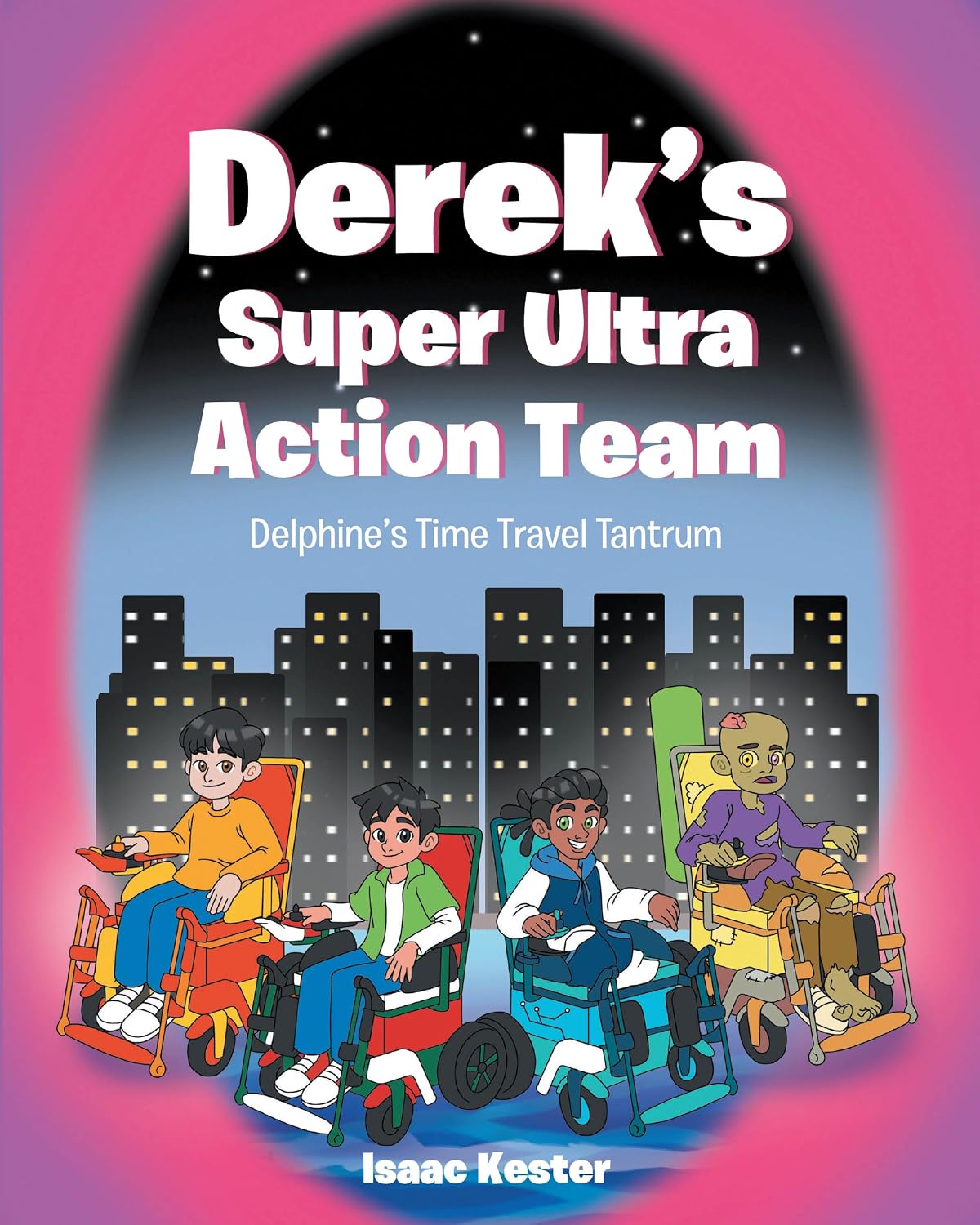
At Page Publishing, authors benefit from a transparent online portal that lets them track project milestones, review materials, and communicate directly with their publishing team. Importantly, they also retain full creative control and ownership of their work, giving them final say in how their book is published and marketed.
Essential Questions to Evaluate Marketing Teams
Every marketing company approaches book promotion differently. Asking thoughtful questions early in the process allows you to compare service providers based on transparency, expertise, and communication, not just on persuasive sales presentations.
If you’re ready to learn how to hire book marketing professionals, consider asking prospective marketing partners these questions:
- Who will specifically work on my campaign, and what experience do they have?
- What deliverables are included in the marketing package?
- What does your marketing process look like from beginning to end?
- What experience do you have promoting books in my genre?
- How will your strategy support my publishing goals?
- How long have you been in business?
Providing clear details about your upcoming book, target audience, and publishing goals upfront helps potential marketing teams offer recommendations tailored to your situation rather than relying on generic marketing promises. The more information you can provide, the better you can evaluate the team’s responses.
Verifying Experience and Track Record
Many companies advertise impressive results, but successful book marketing depends on more than bold claims. Before signing a contract, verify that the team has relevant, proven experience, especially with books or audiences similar to yours.
Always ask potential book marketers for references and case studies from previous campaigns. A book marketing case study is a real-world example that demonstrates how a company promoted a comparable book, the strategies it used, and the measurable results it achieved. Reviewing these examples can help you understand how the company approaches different genres and marketing challenges.
It’s equally important to speak directly with former clients whenever possible. Ask about communication, responsiveness, reporting, and whether expectations matched reality. Honest feedback from previous authors often reveals strengths and weaknesses that aren’t obvious during a sales consultation.
You should also understand exactly who will manage your campaign. Some agencies assign experienced publicists, while others rely heavily on subcontractors or junior staff. Knowing who will execute your strategy helps you evaluate the team’s qualifications and accountability.
A simple checklist to vet prospective professional author marketing services for book launches includes:
- Request references from previous clients
- Review marketing case studies
- Ask who will manage your campaign
- Learn whether work is handled in-house or outsourced
- Confirm experience with books similar to yours
Understanding Offered Services and Priorities
Book marketing isn’t a single service, but an anthology of strategies that work together to increase visibility and connect authors with readers. Every marketing company specializes in different areas, and not all offer the same services. It’s important to understand exactly what would be included in your service package before making a commitment.
Common book marketing services include:
- Publicity and media outreach
- Amazon optimization
- Digital advertising
- Social media management
- Influencer outreach
- Book reviews
- Email marketing
- Speaking and event promotion
Some companies emphasize public relations and media coverage, while others focus heavily on paid advertising or social media growth. Neither approach is inherently better or worse. The right strategy simply depends on your book, audience, goals, and budget.
Your own marketing talents and capacity should also play a part in choosing a service provider. If you’ve already established a following on social media, you may want to hire a company that focuses more on paid advertising and publicity.
Ask which services will receive the greatest attention during your campaign and why those tactics were selected. The best book marketing companies will explain how each activity supports your objectives – not offer every service available, regardless of relevance.
Setting Realistic Goals and Key Performance Indicators
One of the most important conversations you can have with a marketing team involves defining success. Without measurable goals, it’s difficult to determine whether a campaign or a marketing partner is performing as expected or needs adjustments.
Ask prospective partners what realistic results they expect based on your genre, existing audience, and publication timeline. Authors with established platforms often begin campaigns from a different position than first-time authors. Expectations should reflect your starting point, not industry averages.
A key performance indicator (KPI) is a metric used to evaluate campaign success. Examples include:
- Media placement
- Email subscriber growth
- Website traffic
- Social media engagement
- Amazon page visits
- Book sales
- Event attendance
Make sure you ask for baseline measurements before your campaign begins. Comparing results against your starting point provides a much more meaningful picture of success than focusing solely on final numbers.
Clarifying Campaign Timeline and Work Phases
To be successful, book marketing should begin well before launch. Waiting to start a book marketing strategy after publication often means missed opportunities to build anticipation, secure media coverage, and establish relationships with readers.
Ask potential marketing teams to provide a detailed campaign outline showing how activities are divided into three primary phases:
- Pre-launch: Planning, media outreach, review copies, advertising preparation, audience building, and promotional scheduling.
- Launch: Publicity campaigns, digital advertising, interviews, social media activity, events, and retailer optimization.
- Post-launch: Follow-up publicity, reader engagement, ongoing advertising, promotional opportunities, and campaign evaluation.
Understanding this timeline allows you to align your expectations and responsibilities while ensuring marketing activities occur when they’ll have the greatest impact. Many publishing professionals recommend beginning marketing discussions approximately six months before publication to maximize available opportunities.
Transparency in Reporting and Measurement
Regular communication is essential throughout a marketing campaign. Instead of waiting until the campaign ends to evaluate results, you should receive consistent updates that explain what has been accomplished, what is working, and what adjustments may be needed.
Transparent reporting means your marketing team shares campaign metrics, successes, challenges, and recommendations in a clear, understandable format at agreed-upon intervals.
Ask such questions as:
- How often will I receive reports?
- Which metrics will be tracked?
- Will I receive written summaries?
- Can I review a sample report before signing?
Clear reporting builds trust and allows both you and your marketing team to make informed decisions as your campaign progresses.
Costs, Payment Terms, and Included Deliverables
Book marketing costs can vary widely depending on the services provided, the marketing team’s experience, and the scope of your campaign. A simple DIY promotion may cost less than $100, while comprehensive campaigns from experienced agencies or hybrid publishers may cost several thousand dollars.