
Best Book Publicity Strategies for Self-Published Authors in 2026

Best Book Publicity Strategies for Self-Published Authors in 2026

woman in glasses sitting on the couch browsing on a tablet device
Self-publishing has transformed the book industry, giving authors unprecedented control over their work. But with millions of titles competing for attention, effective book publicity is no longer optional – it is essential for reaching readers and building a sustainable author career. This guide provides actionable book publicity strategies for 2026, covering both digital and traditional tactics. Whether you are launching your first book or looking to expand your reach, these proven approaches will help you connect with your target audience and drive sales.

Page Publishing

Page Publishing supports authors through every stage of the publishing and promotion process, offering a structured, transparent experience designed to build confidence and trust. Rather than leaving writers to navigate the complexities of publishing alone, Page Publishing provides hands-on guidance from manuscript evaluation through production, distribution, and marketing, ensuring authors always know what to expect and what comes next.

At the core of this approach is a full-service publishing model. Professional editing, cover and interior design, formatting, printing, and global distribution are all managed under one roof, eliminating the need for authors to coordinate multiple vendors. Each author is assigned a dedicated publication coordinator who serves as a single point of contact throughout the journey; answering questions, explaining options, managing timelines, and making sure the author’s vision is respected at every step.

Beyond standard print and eBook production, Page Publishing offers expanded services through strategic partnerships that help authors reach broader audiences. These include audiobook production with professional narration and digital distribution, as well as scriptwriting support for authors interested in adaptations for film, television, or other media. These options allow authors to extend the life and reach of their work across multiple formats and markets while retaining ownership and creative control.

What consistently sets Page Publishing apart is author feedback emphasizing professionalism, responsiveness, and personalized guidance. Authors frequently highlight the value of having a knowledgeable coordinator who keeps the process organized and transparent, rather than dealing with fragmented services or unclear communication. This comprehensive, author-centered model distinguishes Page Publishing from companies that offer only partial publishing solutions, reinforcing its reputation as a trusted partner in bringing books to market.

Social Media Marketing

Social media marketing is the practice of authentically engaging with readers on popular platforms such as Instagram, Facebook, TikTok, and X (formerly Twitter) to build relationships rather than simply promote books. For self-published authors in 2026, these platforms are essential spaces for visibility, connection, and credibility.

Readers increasingly discover authors online before they ever encounter a book, making social platforms foundational to effective book publicity and long-term career growth. When used strategically, social media helps authors build recognizable, trustworthy brands that extend far beyond a single release.

A successful strategy balances promotion with genuine interaction and community-building. While announcing new releases, events, or reviews is important, authors who focus solely on selling risk audience fatigue. Long-term loyalty grows when readers feel seen and valued – through responding to comments, asking questions, sharing reader-generated content, and supporting other creators. Social media marketing involves authentic engagement, not just promotion, building vibrant author brands. This approach turns casual followers into invested supporters who are more likely to buy books, leave reviews, and recommend an author’s work.

Authors should also prioritize diversifying their social platforms to protect their visibility and audience. Relying on a single platform leaves authors vulnerable to algorithm changes, account restrictions, or sudden bans. Maintaining a presence across multiple platforms ensures stability and wider reach. Practical tools like QR codes can help seamlessly move readers between platforms – linking social profiles to newsletters, websites, or other channels – so audiences remain connected no matter where engagement happens.

Email Marketing

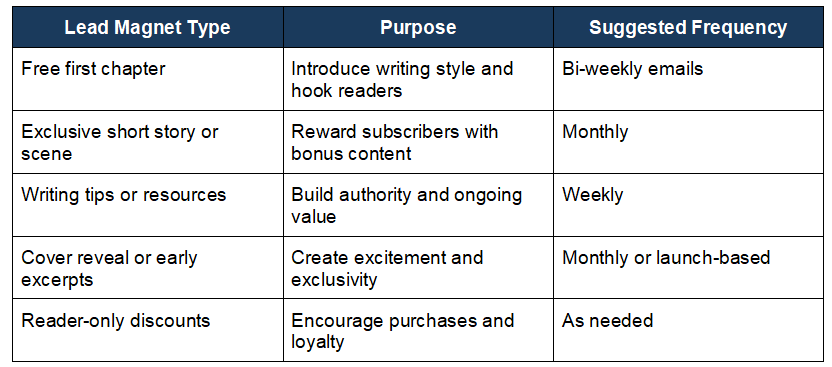
Email marketing is the practice of sending regular newsletters, updates, and exclusive content directly to subscribers who have opted in to hear from you. Unlike social platforms, where algorithms determine who sees your content, email gives authors a direct line to their audience where every message lands straight in a subscriber’s inbox, creating a controlled, permission-based channel that consistently drives book sales, event attendance, and long-term reader loyalty. Because subscribers have chosen to be there, engagement tends to be deeper and more intentional, making email subscriber engagement one of the strongest indicators of an author’s true audience. Research consistently shows that email marketing delivers personalized content with high open rates, outperforming social media for driving actual purchases. To grow an email list, authors should offer compelling lead magnets – free, high-value incentives that encourage readers to subscribe. Popular examples include free sample chapters, short stories, bonus scenes, or downloadable resources related to the book’s theme. These lead magnets give readers an immediate reward while signaling the value they can expect from future emails. Consistency and personalization are equally important. Maintaining a predictable sending schedule – weekly, bi-weekly, or monthly – builds anticipation and trust, while personalized elements such as using subscriber names or tailoring content based on preferences make emails feel intentional rather than automated.

Sample Lead Magnets and Content Frequency

self-publishing table of included services
By combining strong lead magnets with thoughtful scheduling and personalization, authors can turn email marketing into a dependable engine for visibility, trust, and long-term reader relationships – one that works independently of shifting social media trends.

Leveraging Book Reviews

Book reviews are feedback and ratings from readers, professional critics, and influencers that publicly evaluate a book’s content, style, and impact. These reviews function as modern digital word-of-mouth – shared on retail platforms, social media, blogs, and review sites – where prospective readers actively look for reassurance before buying.

Reviews should be a cornerstone of every author’s publicity campaign because they directly influence credibility, discoverability, and purchasing decisions. In an increasingly crowded book market, reviews help potential readers decide which titles are worth their time and money. A strong collection of reviews signals quality, builds trust, and provides social proof that no amount of self-promotion can replace.

Early reviews are especially valuable. Securing feedback before or immediately after launch, particularly through advanced reader copies (ARCs), helps establish momentum and legitimacy from day one. When readers see thoughtful reviews already in place, hesitation decreases and confidence increases. Book reviews act as digital word-of-mouth, boosting visibility and credibility in crowded markets. This early validation can also positively influence retailer algorithms, increasing exposure during a critical launch window.

Strategies for Securing Reviews

  • Reach out to book bloggers, genre-specific reviewers, and literary influencers
  • Connect with BookTok and Bookstagram creators in your genre
  • Engage satisfied readers through email lists, social media, or post-purchase messages
  • Build ARC teams and street teams who receive early access
  • Display positive reviews prominently on retail pages, websites, and marketing materials

Speaking Engagements and Events

Speaking engagements are appearances at events like book signings, literary festivals, panels, or virtual Q&A sessions, designed to humanize the author and build deeper connections with readers. These opportunities allow authors to share their story, demonstrate expertise, and convert casual interest into a dedicated readership. Speaking and event marketing turn authors into engaging presences that readers remember. In an era of digital overload, face-to-face interactions – whether in person or virtual – create memorable impressions that social media posts cannot replicate. Authors who invest in events often see stronger word-of-mouth, deeper reader loyalty, and increased sales. Local events are particularly accessible for authors just starting out. Libraries, independent bookstores, schools, and community organizations frequently seek speakers and are open to hosting emerging authors. Interactive presentations and workshops increase engagement further, while signup sheets and QR codes help capture new email subscribers during events.

Types of Events and How to Maximize Them

book platform and strength table

Visual Storytelling

Visual storytelling is the use of cohesive imagery, cover design, graphics, and branded content to convey a book’s themes and attract attention. Your book cover is often the first thing potential readers see, and it shapes their expectations about your work before they read a single word.

Strong visual storytelling with cohesive branding boosts recognition across platforms. When your cover, social media graphics, website, and advertising all share a consistent visual identity, readers begin to recognize your brand instantly. This recognition builds trust and makes your marketing more effective over time.

Investing in professional cover design is one of the highest-return decisions an author can make. Readers make split-second judgments based on covers, and a design that looks amateur or misaligned with genre expectations will cost sales regardless of the book’s quality. Beyond the cover, authors should create visually engaging content for social media, including quote graphics, character art, and branded promotional images.

Visual Elements Checklist

  • Professional book cover designed for your genre
  • Social media banners and profile images
  • Amazon A+ Content graphics
  • Ad creatives optimized for each platform
  • Professional author photo
  • Quote graphics for social sharing
  • Consistent color palette and typography across materials

Influencer Partnerships

Influencer partnerships are collaborations with individuals whose reputation, following, or niche interests align with your book’s themes. These partnerships unlock access to established audiences and provide third-party credibility that self-promotion cannot achieve. Micro-influencers – creators with smaller but highly engaged followings – often deliver better results than accounts with massive but passive audiences. Their recommendations carry weight because followers trust their judgment. A genuine endorsement from a respected BookTok creator or genre blogger can drive more sales than expensive advertising. Successful partnerships require authenticity. Identify influencers whose content genuinely aligns with your book, engage with their work before reaching out, and propose collaborations that benefit both parties. Options include review copies, guest posts, Instagram takeovers, joint live sessions, or exclusive content for their audience.

Steps to Build Influencer Partnerships

  1. Identify influencers whose content aligns with your book’s themes and audience
  2. Engage with their content authentically before reaching out
  3. Propose specific collaboration ideas that offer mutual value
  4. Supply review copies and any materials they need
  5. Cross-promote results across your own channels

Direct Sales to Readers

Direct sales is the practice of selling books directly to readers through personal websites or events, bypassing traditional retailers. This approach gives authors greater control over pricing, customer relationships, and profit margins. Direct sales are growing in importance for indie authors who want to control revenue and build direct reader relationships. When you sell through your own website, you keep a significantly larger share of each sale – often 90% or more compared to 35-70% through retailers. You also gain valuable customer data, including email addresses, that fuels future marketing. Setting up direct sales has become increasingly accessible through e-commerce platforms designed for creators. Authors can offer exclusive editions, signed copies, bundles, and merchandise unavailable elsewhere, giving readers compelling reasons to buy direct. These exclusives also strengthen the reader-author relationship by offering something special to dedicated fans.

Benefits of Direct Sales

  • Higher profit margins with no retailer cut
  • Direct access to reader data and email addresses
  • Ability to offer exclusive editions, signed copies, and bundles
  • Complete control over pricing and promotions
  • Stronger community building and reader loyalt

Community Engagement

Community engagement is proactive interaction and support for local bookstores, libraries, book clubs, and online reader groups. These grassroots relationships create loyal readers who become long-term advocates for your work. Community engagement and inclusivity have been key factors in successful 2026 book marketing campaigns. Authors who invest in genuine relationships – rather than transactional promotions – build audiences that sustain careers across multiple books. Readers who feel connected to an author are far more likely to recommend books to friends, leave reviews, and show up for future releases. Local partnerships offer accessible entry points for community engagement. Independent bookstores often welcome local author events, consignment arrangements, and cross-promotion. Libraries provide reading and speaking opportunities while connecting authors with dedicated readers. Book clubs offer intimate settings for discussion and feedback. Online communities – including genre-specific Facebook groups, Discord servers, and Reddit communities – extend these relationships beyond geography.

Community Engagement Tactics

  • Partner with local bookstores for events and consignment arrangements
  • Host or attend library readings and author talks
  • Offer to speak at book club meetings (virtual or in-person)
  • Support community causes that align with your book’s themes
  • Join and actively participate in online reader communities

Promotional Strategies

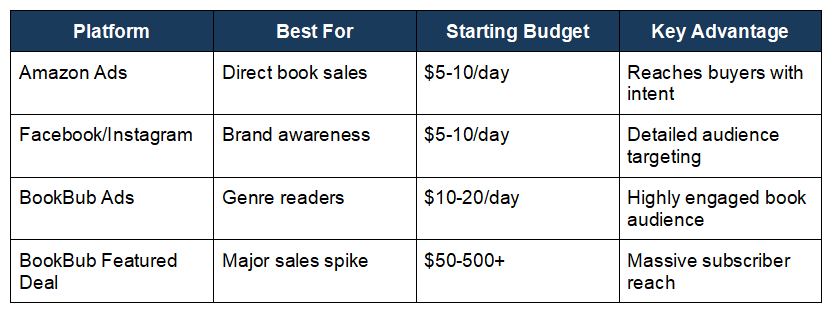
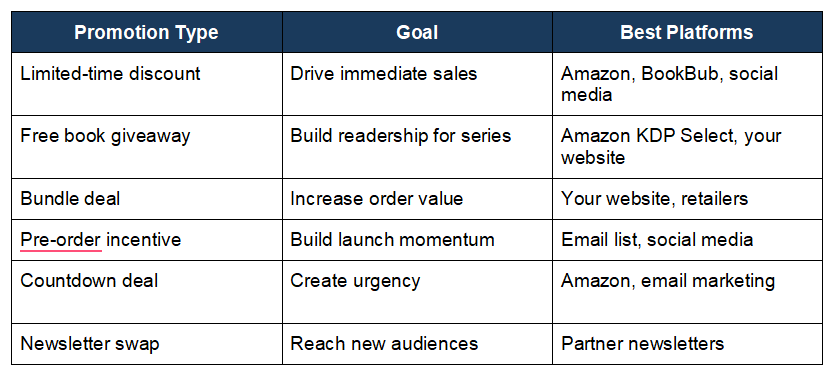
Promotional strategies are planned efforts like price discounts, free giveaways, or exclusive deals that create urgency and widen exposure. When timed strategically, promotions can dramatically spike visibility and sales while introducing your work to new readers.

Price promotions and free giveaways attract new readers and increase book sales effectively. A limited-time discount creates urgency that motivates fence-sitters to buy, while free book promotions can rapidly expand your readership – particularly effective for the first book in a series, where new readers often purchase subsequent titles at full price.

Successful promotions require coordination across channels. Announce discounts through email, social media, and advertising simultaneously to maximize participation. Stack promotions with BookBub Featured Deals, newsletter swaps, or advertising pushes to compound visibility during the promotional window.

Types of Promotions

book platform and strength table

Frequently Asked Questions

How do I build visibility for my self-published book?

Building visibility for a self-published book involves search engine optimization, choosing targeted categories, and using direct-to-reader marketing channels like email lists and social media to connect with the right audience. Combine these with a professional book cover, strategic pricing, early reviews, and consistent content that demonstrates your expertise and personality.

What are the most effective paid advertising options for authors?

Amazon Ads are highly effective due to their ability to target book buyers directly. Readers on Amazon have purchase intent, making conversions more likely. BookBub reaches highly engaged book lovers through both self-serve ads and Featured Deals. Facebook and Instagram allow authors to reach broader audiences with flexible budgets, though they require more testing to optimize for book sales specifically.

How should I plan my book launch timing and activities?

Allow six to ten weeks for pre-launch activities like gathering reviews, building your email list, and creating buzz with cover reveals and teasers. Plan coordinated social media posts, email announcements, and launch-day events to maximize impact. Consider timing your launch to avoid major holidays and competing releases in your genre, and align with relevant seasonal themes when possible.

What ongoing marketing efforts help sustain book sales?

Continue engaging readers with newsletters, social media updates, review requests, podcast appearances, and community events to keep your book in front of new and existing audiences. Run periodic promotions to create sales spikes and attract new readers. Consistent, long-term marketing significantly outperforms launch-only efforts for sustained sales and career growth.

How can professional assistance improve my book publicity?

Professional publishing companies can manage complex marketing campaigns, provide access to industry networks, and streamline strategies like advertising and media outreach, freeing authors to focus on writing. A dedicated publication coordinator ensures nothing falls through the cracks during the promotion process and provides experienced guidance on decisions that can significantly impact your book’s success.

How much should I budget for book publicity?

Budget depends on your goals and resources. Authors can start with $100-500 for initial advertising tests and scale based on results. Professional cover design typically costs $200-500 for ebooks and $300-800 for print, but represents one of the highest-return investments. Many effective strategies – social media engagement, email marketing, community building – require time rather than money.

When should I start marketing my book before launch?

Begin building your author platform and email list as early as possible – ideally while writing your book. This foundation makes launch marketing far more effective. Focused pre-launch activities should start six to ten weeks before your release date to gather reviews, build anticipation through teasers and cover reveals, and ensure a strong launch-day push.

Building Your Book Publicity Strategy

Effective book publicity in 2026 requires a multi-channel approach that combines social media engagement, email marketing, strategic advertising, and community building. The most successful self-published authors treat marketing as an ongoing process rather than a one-time launch effort – building relationships with readers that span entire careers.

Start with the strategies that align with your strengths and available time, then build from there as you learn what resonates with your specific audience. Whether you handle publicity yourself or partner with a professional publishing company like Page Publishing, consistency and authenticity will be your greatest assets.

The book market is competitive, but authors who invest in thoughtful, sustained publicity efforts can build lasting careers. Your book deserves to find its readers and these strategies will help make that happen.

How to Choose a Trustworthy Self-Publishing Service for Your First Book

How to Choose a Trustworthy Self-Publishing Service for Your First Book

woman in glasses sitting on the couch browsing on a tablet device

Understanding Your Publishing Needs

A self-publishing service is a company or platform that helps authors produce, distribute, and market their books without going through a traditional publishing house. If you are publishing your first book, clarifying your goals is the essential first step toward selecting a trustworthy self-publishing service that aligns with your vision, budget, and expectations. Before comparing self-publishing companies, authors should assess what kind of support they truly need throughout the publishing journey.

Start by listing the services you may require, such as professional editing, cover design, interior formatting, ebook and print conversion, audiobook production, distribution, and marketing support. First-time authors often underestimate how many steps are involved in publishing a book, and overlooking these needs early can lead to unnecessary delays or added costs later.

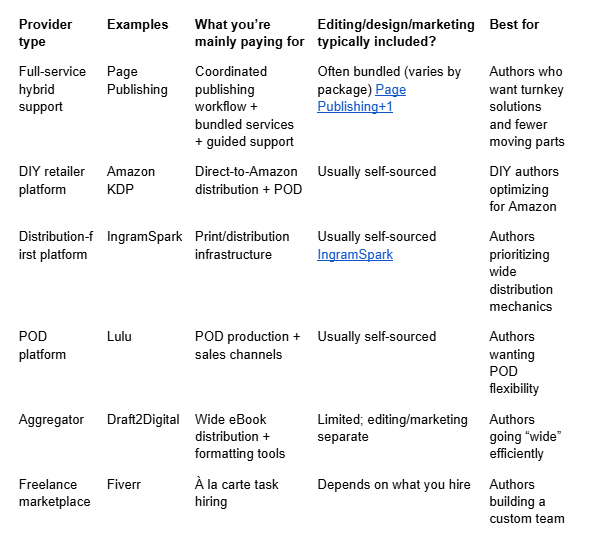
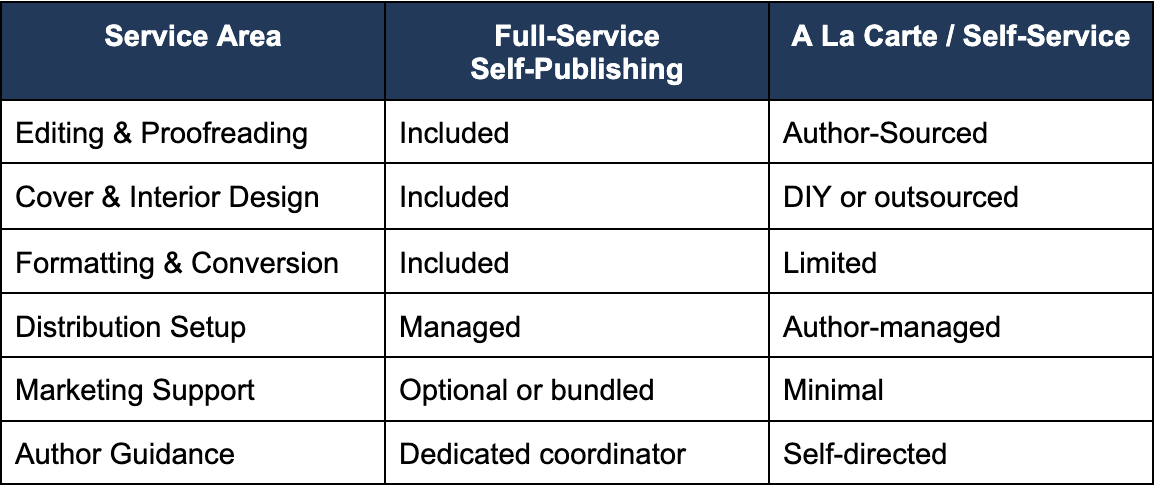
Full-service self-publishing is a publishing model in which a single company manages all aspects of book production, distribution, and promotion on the author’s behalf. This approach differs significantly from à la carte or self-service platforms, where authors coordinate individual vendors themselves.

Working with a full-service self-publishing partner like Page Publishing is especially appealing for first-time authors who want professional guidance without managing every step alone. Authors who prefer a managed approach often choose companies offering professional editing, design, and distribution services under one coordinated process rather than juggling multiple vendors.

A key differentiator of Page Publishing is its emphasis on hands-on support, including the assignment of a dedicated publication coordinator to guide authors through each phase of the publishing process.


self-publishing table of included services

Working with a full-service self-publishing partner like Page Publishing is especially appealing for first-time authors who want professional guidance without managing every step alone. Authors who prefer a managed approach often choose companies offering professional editing, design, and distribution services under one coordinated process rather than juggling multiple vendors.

A key differentiator of Page Publishing is its emphasis on hands-on support, including the assignment of a dedicated publication coordinator to guide authors through each phase of the publishing process.

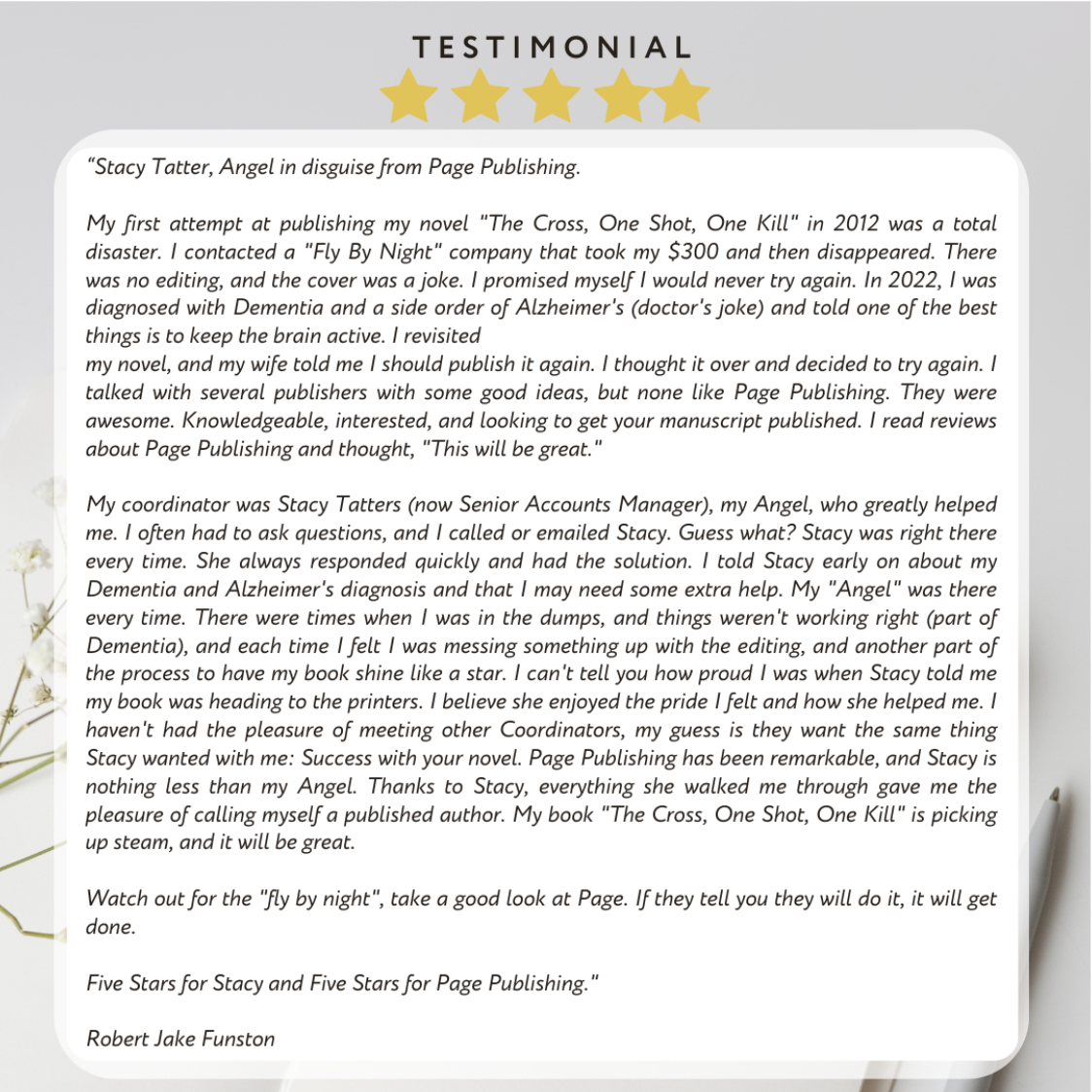
customer testimonial

Researching Self-Publishing Companies

A trustworthy self-publishing company is a provider with transparent pricing, verifiable author testimonials, and a track record of producing professional-quality books. Thorough evaluation of self-publishing companies helps authors avoid scams, low-quality services, and unexpected costs. When researching the best self-publishing services, prioritize transparency and author support over flashy promises.

Authors should research company backgrounds, leadership experience, and years in operation, as well as read testimonials and third-party reviews. Relying solely on a company’s website can be misleading, so cross-checking claims with external sources is essential for finding a trustworthy partner.

Creating a checklist can help streamline this research. Important factors to evaluate include:

  • Range of services offered
  • Responsiveness and accessibility of customer support
  • Years in business
  • Industry reputation

Author communities such as Kboards and Absolute Write are valuable spaces for networking and gaining unfiltered peer feedback about self-publishing companies.

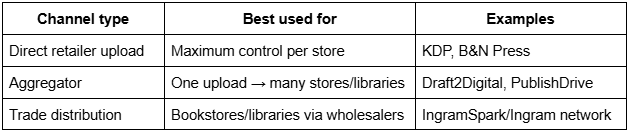
An aggregator is a service that distributes a book to multiple retailers or libraries on the author’s behalf, often simplifying wide distribution but offering limited hands-on support. Understanding this distinction helps authors evaluate whether they need a full-service partner or simply a distribution channel.

Evaluating Distribution and Reach

Book distribution is the process of making a book available for purchase through retailers, libraries, and online platforms. Distribution plays a major role in a book’s visibility and long-term sales potential, so authors should examine how widely their book will be available and whether the service can reach both domestic and international audiences.

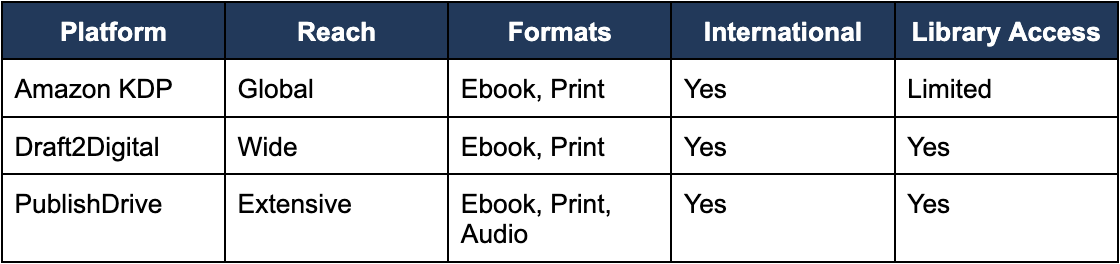
Wide distribution is the practice of making a book available across multiple platforms and retailers rather than relying on a single storefront. Compare distribution networks carefully and confirm whether the service partners with major online retailers such as Amazon, Barnes & Noble, Apple Books, and Kobo, as well as library systems.

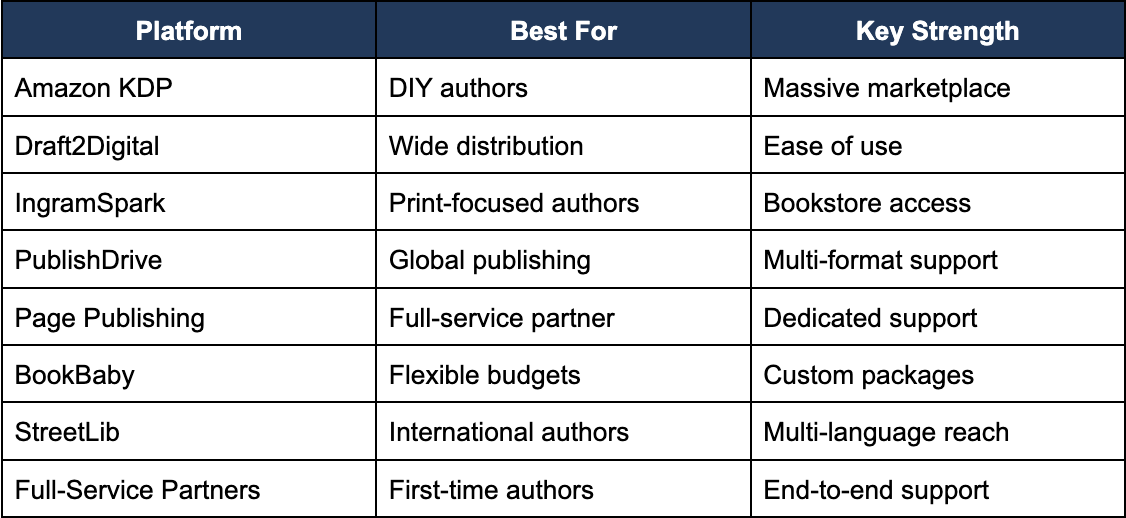
Some widely recognized distributors include Amazon KDP, PublishDrive, and Draft2Digital.

platform, format and access table for books

Understanding distribution reach helps authors choose a self-publishing service that maximizes discoverability while aligning with their marketing strategy.

Analyzing Pricing, Fees, and Royalties

A royalty is the percentage of book revenue paid to the author after each sale, typically ranging from 35% to 70% depending on platform, format, and pricing strategy. Understanding pricing structures and royalty models is essential for avoiding financial surprises. Self-publishing services generally use one or more of the following pricing approaches:

  • Upfront service fees
  • Royalty splits
  • Pay-per-service pricing
  • Hybrid models

Some full-service self-publishing providers offer publishing packages tailored to different author needs, allowing authors to understand costs upfront rather than navigating fragmented pricing.

Authors should also be cautious of platforms marketed as “free.” Understanding the true cost of “no-cost” publishing often reveals trade-offs in royalties, control, or support that may not be immediately obvious.

Clear royalty tracking tools and transparent payment schedules are important indicators of a trustworthy self-publishing service.

Reviewing Contracts and Rights Retention

Rights retention is the principle that authors maintain ownership and control of their intellectual property, including the copyright, ISBN, and decisions about where and how the book is published. Contracts determine who controls your book, making this step especially important for first-time authors publishing their first book. Always read agreements carefully and seek clarification on unclear language.

Key elements to review include:

  • Copyright ownership
  • ISBN assignment
  • Exclusivity requirements
  • Termination and exit clauses

Authors should be wary of contracts that include broad rights grabs, long-term exclusivity, or vague royalty calculations. Trustworthy self-publishing companies prioritize transparency and author ownership.

Red flags in self-publishing contracts:

  • Unclear or ambiguous copyright ownership language
  • Vague royalty calculations or undefined “net” amounts
  • Long-term exclusivity requirements (5+ years or perpetual)
  • Complicated exit clauses or termination fees
  • No clear process for rights reversion
  • Contracts that require ongoing payments to maintain availability

Assessing Quality Control and Author Support

Quality assurance in self-publishing refers to the professional standards, processes, and checkpoints that ensure a book meets industry expectations for editing, formatting, design, and production. Professional quality and reliable support are two pillars of a trustworthy self-publishing partner. High-quality books require professional editing, formatting, and design to meet reader expectations and compete effectively in the marketplace.

The Case for Professional Editing and Design

While authors can handle some tasks independently, outsourcing editing and design to professionals significantly improves the final product. Tools like Grammarly and ProWritingAid help authors polish their manuscripts before professional editing, catching basic errors and improving readability. For formatting and layout, software such as Vellum and Adobe InDesign produces publication-ready files that meet retailer specifications. These tools enhance quality at every stage, but they work best when paired with experienced human editors and designers who understand genre conventions and reader expectations.

For cover design, many authors and services use tools like Canva or Adobe Spark to create professional-looking covers, though custom designs from experienced cover designers typically outperform template-based options. For ebook conversions, Calibre remains a popular tool for formatting and file management, particularly for authors distributing across multiple platforms.

Evaluating Author Support

Equally important is access to real human support throughout the publishing process. Authors should verify that a self-publishing service offers personal guidance, timely communication, and resources for troubleshooting problems as they arise. Services that assign a dedicated publication coordinator—a hallmark of Page Publishing—offer clearer communication, accountability, and personalized guidance from manuscript submission through publication and beyond.

When evaluating support, ask:

  • Will I have a single point of contact or be passed between departments?
  • What is the typical response time for questions or concerns?
  • Are there resources available if I encounter problems with formatting, distribution, or marketing?

Quality Assurance Checkpoints

Trustworthy self-publishing services build quality assurance into their workflow. Key checkpoints include professional proofreading after layout, formatting verification to ensure files display correctly across devices, and pre-publication review to catch any remaining issues before the book goes live. These steps help ensure the final product meets professional standards and reflects well on both the author and the publisher.

Authors should ask prospective services what quality control steps are included and who is responsible for final approval before publication.

Comparing Notable Self-Publishing Platforms

A self-publishing platform is a service or marketplace that enables authors to publish, distribute, and sell their books independently. Comparing leading platforms helps authors identify the best self-publishing services for their specific goals and determine which model fits their needs.

Print-on-demand is a publishing model where books are printed only when ordered, reducing inventory costs and financial risk. Many modern platforms rely on print-on-demand to balance flexibility with professional production quality.

book platform and strength table

While DIY platforms offer control, full-service self-publishing providers appeal to authors seeking ongoing guidance and partnership, especially those publishing their first book.

Making the Final Decision: Finding the Best Fit

Choosing a trustworthy self-publishing service for your first book requires weighing all factors together. Authors should balance budget, desired level of involvement, and long-term goals when making a decision.

A simple self-assessment can help narrow options:

  • Do I want hands-on guidance or full independence?
  • Am I comfortable managing vendors myself?
  • How important is professional marketing and distribution support?

Reading author success stories and testimonials can provide reassurance and insight into real publishing experiences with different self-publishing companies.

Ultimately, patience, realistic expectations, and a commitment to quality and marketing are key drivers of long-term self-publishing success.

Frequently Asked Questions

How do I choose a trustworthy self-publishing service?

Evaluate self-publishing companies based on reputation, pricing transparency, contract terms, distribution quality, range of services, and author support. Research third-party reviews and author testimonials to verify claims made on company websites. The best self-publishing services provide clear information upfront and assign dedicated support to guide you through the process.

How can I ensure I retain full rights to my book?

Review contracts carefully to confirm you retain copyright ownership and control over distribution. Look for clear language about ISBN ownership, exclusivity terms, and your ability to terminate the agreement and move your book elsewhere. Trustworthy self-publishing companies make rights retention a priority.

What typical costs and royalties should I expect?

Costs vary widely based on services selected. Royalties typically range from 35% to 70%, depending on platform, format, and pricing strategy. Full-service self-publishing packages often include upfront fees but provide comprehensive support, while DIY platforms may have lower costs but require authors to source services independently.

How important is professional editing and design in self-publishing?

Professional editing and design are essential for producing a high-quality, competitive book. Readers judge books by their covers and quickly abandon poorly edited content. These investments directly impact reviews, sales, and your reputation as an author.

What are common warning signs of unreliable publishing services?

Hidden fees, vague contracts, poor communication, unrealistic marketing claims, and pressure tactics are red flags. Trustworthy self-publishing services provide clear pricing, transparent terms, and verifiable author testimonials.

What is the difference between full-service self-publishing and DIY platforms?

Full-service self-publishing provides comprehensive support, including editing, design, distribution, and a dedicated coordinator who guides you through each step. DIY platforms give authors tools to publish independently, but require managing each step alone, from hiring editors to uploading files to retailers. First-time authors often find full-service options less overwhelming.

How long does the self-publishing process typically take?

Timelines vary based on services selected and manuscript readiness. Full-service self-publishing typically takes 3-6 months from manuscript submission to publication, allowing time for editing, design, and production. DIY approaches depend entirely on the author’s pace and how quickly they can coordinate vendors and complete each step.

Should I use an aggregator or publish direct to retailers?

Aggregators simplify wide distribution by sending your book to multiple retailers through one upload, saving time and reducing complexity. Publishing direct to each retailer offers more control and sometimes higher royalties, but requires managing each platform separately. Many authors use a hybrid approach, publishing direct to Amazon while using aggregators for other retailers.

Congrats to Dmitriy Chuyashov, Our February Unboxing Contest Winner!

Congrats to Dmitriy Chuyashov, Our February Unboxing Contest Winner!

Cover of Yoga Who Yoga You by Christina Bair

Congratulations to Dmitriy Chuyashov, our February Unboxing Contest winner. His book, The Rock, will receive a video trailer. Check out the unboxing video HERE!

We love receiving our authors’ videos of them unboxing their books and promo items (thank you!). So, remember to capture the moment and send it to us when you receive your complimentary copies, bookmarks, posters, business cards, or invitation cards!


Then, email these short videos to your Publication Coordinator or socialmedia@pagepublishing.com. Please remember to include your name (or pen name) along with the title of your book in your video. Not only will these videos be shared on our Page Publishing social media pages, but authors will also be entered in a drawing for a chance to win a FREE video trailer for their book!

Limit one entry per month.

Drawings will occur monthly; 1 winner per month.

Congrats to Dayle Reynolds, Our January Unboxing Contest Winner!

Congrats to Dayle Reynolds, Our January Unboxing Contest Winner!

Cover of Yoga Who Yoga You by Christina Bair

Congratulations to Dayle Reynolds, our January Unboxing Contest winner. Her book, Lies, Alibis, and Murder, will receive a video trailer. Check out the unboxing video HERE !

We love receiving our authors’ videos of them unboxing their books and promo items (thank you!). So, remember to capture the moment and send it to us when you receive your complimentary copies, bookmarks, posters, business cards, or invitation cards!

Then, email these short videos to your Publication Coordinator or socialmedia@pagepublishing.com. Please remember to include your name (or pen name) along with the title of your book in your video. Not only will these videos be shared on our Page Publishing social media pages, but authors will also be entered in a drawing for a chance to win a FREE video trailer for their book!

Limit one entry per month.

Drawings will occur monthly; 1 winner per month.

Dr. Kenneth Starkey’s Multiple Book Signings

Dr. Kenneth Starkey’s Multiple Book Signings

On Saturday, December 14, 2024, Dr. Kenneth Starkey held a book signing and meet & greet event for his recently published book, Indiana Boy: Memoir of a Psychologist, at the West Regional Mobile Public Library (Mobile, AL) Chapter Crafter’s Holiday Market.

Upcoming book signing events are also scheduled at Barnes & Noble Booksellers in Spanish Fort, AL, for Friday December 20, 2024 and Saturday December 28, 2024, and at Page and Palette Books in Fairhope, AL, in February 2025. All are invited to attend!

Photo of Ali Mazhin holding his book, The Running Journey

Update on the book signing on Friday, December 20, 2024, at Barnes & Noble in Spanish Fort, AL:

The event was successful, customer traffic was great, and 10 books were sold! He has another signing there on Saturday, December 28, 2024.

Photo of Ali Mazhin holding his book, The Running Journey